
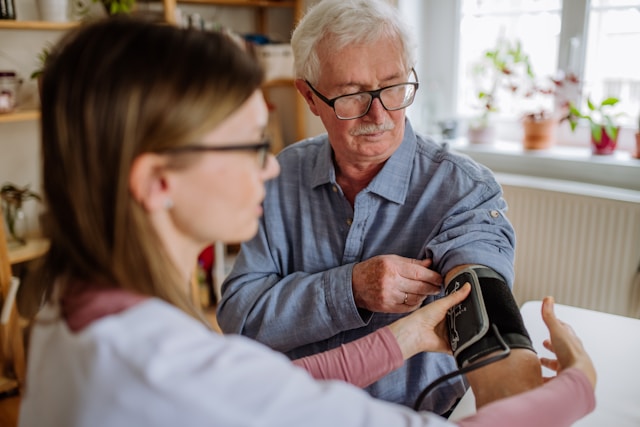
Many people have experienced this situation before. You visit the doctor, sit down for a blood pressure test, and the numbers seem much higher than expected. Then another time, the reading may appear much lower.
These changing numbers can feel confusing and even worrying. Now, new research from Yale School of Medicine explains why blood pressure readings can vary so much from one doctor’s visit to another and why this can make it harder for doctors to know whether treatment is really working.
High blood pressure, also called hypertension, is one of the most common health problems in the world. Doctors often call it the “silent killer” because many people do not notice any symptoms until serious damage has already happened.
Over time, high blood pressure can damage blood vessels, the heart, kidneys, and brain. It greatly increases the risk of heart attacks, strokes, heart failure, and kidney disease.
In the United States alone, about half of all adults have high blood pressure. Many people do not know they have it because they feel completely normal. Others know they have the condition but still struggle to keep it under control.
Because high blood pressure is so dangerous, doctors rely heavily on blood pressure readings to decide whether a person needs treatment or whether current medications are working properly.
However, the new study found that blood pressure readings can naturally change a lot from one visit to another. This means that a single reading at the doctor’s office may not always give a complete picture of a person’s true blood pressure.
One major reason for these changes is something called the “white coat” effect. Many people feel nervous, stressed, or anxious when visiting a doctor or hospital. Even if they do not realize it, their body may react by increasing blood pressure for a short period of time.
The name comes from the white coats traditionally worn by doctors. For some people, this temporary rise can make their blood pressure appear much higher than it normally is at home.
Researchers say that even small feelings of stress can affect blood pressure. Rushing to an appointment, worrying about test results, sitting in a busy waiting room, or simply feeling uncomfortable can all cause temporary changes in blood pressure levels.
The equipment itself can also play a role. Different blood pressure machines may give slightly different readings. Sometimes the cuff may not fit properly. If the cuff is too loose or too tight, the results may not be accurate. Small details such as arm position, body posture, or talking during the test can also change the numbers.
Daily habits before an appointment may affect results as well. Drinking coffee, smoking, exercising, eating a large meal, or even having a stressful conversation before the test can raise blood pressure temporarily. Even needing to use the bathroom can sometimes affect the reading.
Researchers compare blood pressure testing to trying to measure a child’s height while the child changes position each time.
If the child stands on tiptoes one day and slouches the next day, the measurements will look different even though the child has not actually changed very much. Blood pressure works in a similar way because many small factors can influence the result.
Because of this, experts say home blood pressure monitoring can be extremely useful. Checking blood pressure at home allows people to measure it in a more relaxed and familiar environment.
Instead of relying on a single reading during a short doctor’s visit, people can collect many readings over time. This gives doctors a much better understanding of a person’s usual blood pressure level.
Researchers say home monitoring is similar to checking rainfall in a garden. If you only look outside once, you may think it is always sunny or always raining. But if you observe the weather regularly, you begin to understand the average conditions over time. Blood pressure behaves the same way because it naturally rises and falls throughout the day.
Doctors recommend using a reliable home blood pressure monitor that has been medically approved. Before taking a reading, people should avoid caffeine, smoking, and exercise for at least 30 minutes if possible. It is also important to sit quietly for a few minutes before starting the test.
The body position matters too. Both feet should rest flat on the floor, the back should be supported by a chair, and the arm should rest comfortably on a table at the same level as the heart.
Talking, moving, or crossing the legs during the test may affect the results. Experts also recommend taking readings at about the same times each day for better consistency.
Keeping a written record of blood pressure readings can help doctors make better treatment decisions. Many modern monitors can store readings automatically or connect to smartphone apps that track blood pressure over time.
The researchers stress that doctor visits are still very important. Blood pressure measurements taken at medical clinics remain a valuable part of healthcare. However, they represent only one piece of the overall picture.
Combining office readings with home monitoring can help doctors better understand whether someone truly has high blood pressure or whether their numbers are simply rising temporarily because of stress or other short-term factors.
Experts also say healthy lifestyle choices remain one of the best ways to protect heart health. Regular exercise, healthy eating, maintaining a healthy body weight, reducing salt intake, limiting alcohol, and avoiding smoking can all help lower blood pressure naturally.
Some studies suggest that certain foods may help improve blood pressure control. Research has found that too much added sugar may increase blood pressure, while vitamin D may help some people with diabetes manage their blood pressure more effectively.
Other studies suggest that modified traditional Chinese diets and simple daily exercises may also support healthier blood pressure levels.
The new study helps explain why blood pressure numbers are not always as straightforward as they seem.
Rather than focusing too much on one single reading, experts encourage people to pay attention to long-term patterns. Understanding these patterns can help people take better care of their heart health and avoid serious complications in the future.
If you care about high blood pressure, please read studies about unhealthy habits that may increase high blood pressure risk, and drinking green tea could help lower blood pressure.
For more information about high blood pressure, please see recent studies about what to eat or to avoid for high blood pressure, and 12 foods that lower blood pressure.
The research was published in the journal Circulation: Cardiovascular Quality and Outcomes.
Copyright © 2026 Knowridge Science Report. All rights reserved.