
A new study suggests that hospitals can greatly improve recovery for older adults after surgery by taking a few simple but targeted steps before and after operations.
Researchers found that screening older patients for risks such as falls, confusion, and medication problems can lower complications, shorten hospital stays, and help patients return to independent living more quickly.
The findings were published in the Journal of the American College of Surgeons and support a growing movement toward more specialized care for older adults undergoing surgery.
As populations age around the world, more older adults are having surgeries for conditions such as cancer, heart disease, broken bones, and digestive problems. However, surgery can be especially difficult for older patients because aging bodies often recover more slowly and are more vulnerable to complications.
One major concern is delirium, a sudden state of confusion that can happen after surgery. Delirium may cause memory problems, disorientation, agitation, or difficulty paying attention. Older adults who develop delirium often stay longer in the hospital and may take much longer to recover fully.
Falls are another major risk. Older patients may feel weak, dizzy, or unsteady after surgery, increasing the chance of serious injuries. Pneumonia, breathing problems, constipation, and medication side effects are also common complications among older surgical patients.
To address these issues, the American College of Surgeons developed the Geriatric Surgery Verification Program, also known as the GSV Program. The program encourages hospitals to follow special care practices designed specifically for older adults.
Researchers reviewed 67 scientific studies examining seven important parts of the program. These care strategies form the basis of the program’s older adult enhanced recovery protocol.
The protocol includes preventing delirium, routinely screening patients for confusion, reducing unnecessary medications, preventing falls, protecting against aspiration, encouraging breathing exercises, and using bowel regimens to prevent constipation.
Aspiration happens when food, liquid, or saliva accidentally enters the lungs instead of the stomach. This can lead to pneumonia, which can become dangerous for older adults recovering from surgery.
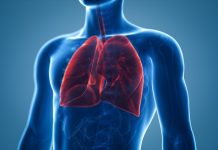
The breathing exercises involve the use of a simple handheld device called an incentive spirometer. Patients breathe deeply into the device to help keep their lungs open and clear after surgery. This reduces the risk of lung infections and breathing complications.
The bowel regimen includes careful planning to prevent constipation after surgery through fluids, diet, and medications if needed. Constipation may seem minor, but it can become a major problem after surgery, especially in older adults taking pain medicines.
The researchers found strong evidence supporting many of these strategies. Fall prevention programs showed especially powerful results. Hospitals that actively worked to reduce fall risks lowered fall rates, shortened hospital stays, and even reduced healthcare costs.
Delirium prevention and screening also showed major benefits. Patients who were regularly checked for confusion and treated early when symptoms appeared often had better outcomes and smoother recoveries.
Researchers also found that aspiration precautions and breathing exercises reduced cases of hospital-acquired pneumonia. Meanwhile, bowel regimens lowered rates of digestive complications after surgery.
Dr. Sarah Remer, lead author of the study and Clinical Scholar at the American College of Surgeons, said the findings show how small, practical steps can make a major difference.
She explained that older adults have unique needs during surgery and recovery. Something as simple as ensuring patients have access to their hearing aids or eyeglasses may reduce confusion and improve safety.
The findings build on earlier research showing that hospitals following the GSV Program often achieve better results for older adults.
Previous studies showed that hospitals using GSV practices reduced postoperative delirium, shortened hospital stays, and improved patients’ ability to remain independent after surgery.
One study at a Veterans Affairs hospital found lower delirium rates and shorter recoveries during testing of the GSV program. Another study at a community hospital found that more patients remained independent after major cancer surgery when GSV standards were followed.
Some hospitals using geriatric-focused surgical pathways also reported major reductions in severe complications such as respiratory failure and sepsis, along with lower postoperative death rates.
Researchers say one important strength of the program is that many of the interventions are simple and inexpensive. Hospitals do not necessarily need advanced technology or costly new equipment. Instead, success often comes from better planning, careful communication, and paying attention to the special needs of older adults.
The American College of Surgeons has also created tools to help hospitals implement the program more easily.
These include the EPoSSI framework, which guides surgical teams step by step in improving care practices, and a free Geriatric Surgery Patient Checklist to help patients and families discuss care plans with doctors.
The study findings appear strong because the review included many earlier studies and examined multiple aspects of surgical care. However, researchers note that hospitals may implement the recommendations differently, and more long-term research is still needed.
Even so, the evidence strongly suggests that age-specific surgical care can improve outcomes for older adults. As populations continue aging, hospitals may increasingly adopt these practices to make surgery safer, reduce complications, and help older patients maintain independence after major operations.
If you care about health, please read studies that herbal supplements could harm your heart rhythm, and how eating eggs can help reduce heart disease risk.
For more health information, please see recent studies that apple juice could benefit your heart health, and results showing yogurt may help lower the death risks in heart disease.
Source: American College of Surgeons.