
A new study offers encouraging news for people who have been treated for melanoma, the most dangerous form of skin cancer.
Researchers have found that combining a personalized mRNA vaccine with an existing cancer immunotherapy drug may significantly reduce the chances of the disease returning after surgery.
The research was led by scientists at NYU Langone Health and its Perlmutter Cancer Center and was presented at the 2026 annual meeting of the American Society of Clinical Oncology. The findings were also published in the Journal of Clinical Oncology.
Melanoma develops when pigment-producing skin cells grow out of control.
Although it accounts for a smaller share of skin cancer cases, it causes most skin cancer deaths because it can spread rapidly to other parts of the body.
Over the past decade, advances in immunotherapy have greatly improved survival rates, but many patients still experience a recurrence after their tumors are removed.
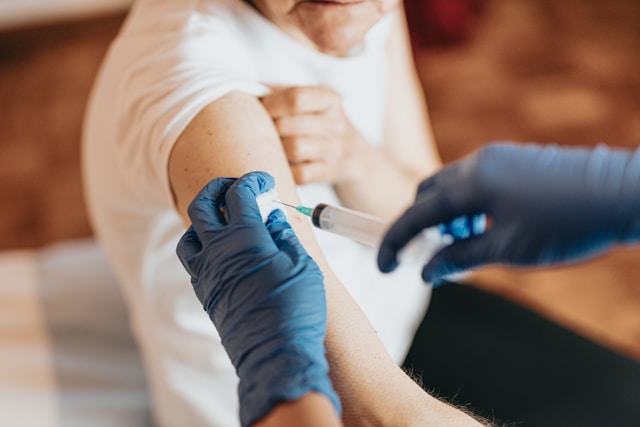
To address this problem, researchers tested a personalized vaccine called intismeran. Unlike traditional vaccines that are designed to prevent infections, this vaccine is designed specifically for each patient.
Scientists study the genetic makeup of a patient’s tumor and identify unique markers found only on that person’s cancer cells. These markers are then used to create a customized mRNA vaccine that teaches the immune system what to attack.
The vaccine was combined with pembrolizumab, a widely used immunotherapy drug sold under the brand name Keytruda. Pembrolizumab works by helping the immune system recognize and attack cancer cells.
Cancer cells often hide from immune defenses by using natural “off switches” in the immune system. The drug blocks one of these switches, making cancer cells easier for immune cells to find.
The Phase IIb clinical trial, known as KEYNOTE-942, involved patients whose melanoma tumors had already been surgically removed.
Researchers wanted to see whether the combination treatment could prevent the cancer from coming back. A total of 107 patients received the vaccine together with pembrolizumab, while 50 patients received pembrolizumab alone.
The results remained strong even after five years of follow-up. Nearly 69% of patients who received the combination treatment remained free of cancer, compared with about 49% of those who received only pembrolizumab. Researchers calculated that the combination reduced the risk of cancer recurrence or death by 49%.
The benefits went beyond preventing recurrence. The risk of distant metastasis, which occurs when cancer spreads to another part of the body, was reduced by 59%. Overall survival was also higher.
More than 92% of patients who received the vaccine combination were still alive after five years, compared with about 71% of patients who received the standard treatment alone.
Researchers believe the personalized vaccine strengthens the activity of T cells, which are specialized immune cells responsible for identifying and destroying threats. By teaching these cells to recognize specific proteins unique to a patient’s tumor, the vaccine may help the immune system remain alert for cancer cells that survive surgery or appear later.
The study also highlights the growing importance of mRNA technology. Many people became familiar with mRNA vaccines during the COVID-19 pandemic, but scientists have long believed that the technology could be adapted to fight cancer.
Because mRNA vaccines can be customized relatively quickly, they may provide a powerful way to create treatments tailored to individual patients.
The researchers reported that side effects were generally manageable. The most common problems included fatigue, chills, and pain at the injection site. These side effects were similar to those seen with other immunotherapies and vaccines.
A larger Phase III trial is already underway to confirm these results. Researchers are also studying whether similar vaccines can help prevent recurrence in lung cancer and other cancers.
The findings are exciting because they suggest that personalized cancer vaccines may become an important addition to cancer treatment. However, the study involved a relatively limited number of patients, and larger trials will be needed before the approach becomes standard care.
The results are especially impressive because the benefits remained strong after five years, suggesting a lasting effect on the immune system. If future studies confirm these findings, personalized mRNA vaccines could become a major advance in cancer treatment and help many more patients stay cancer-free after surgery.
If you care about skin health, please read studies about top signs of diabetic skin disease, and Mediterranean diet could help lower the skin cancer risk.
For more health information, please see recent studies about eating fish linked to higher risk of skin cancer, and results showing how to combat the effects of aging on your skin.