
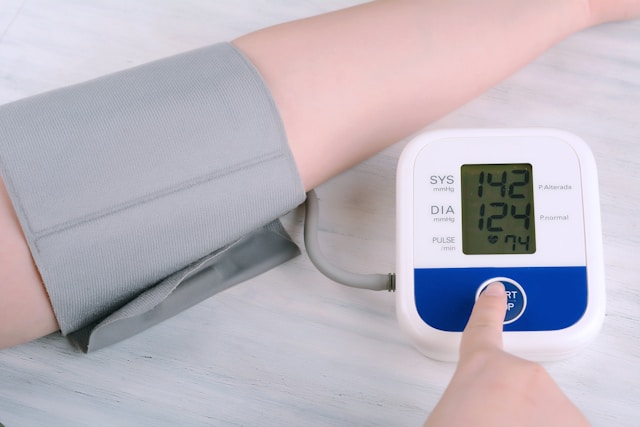
Many people think about blood pressure as a single number, but it actually has two parts. Doctors often talk more about the top number, yet new research shows that the bottom number may be just as important, especially for brain health.
Blood pressure is written as two numbers. The top number is called systolic blood pressure. It shows how much force the blood puts on the artery walls when the heart beats. The bottom number is called diastolic blood pressure.
It shows the pressure when the heart is resting between beats. For many years, health experts have paid more attention to the top number because it is strongly linked to heart disease.
However, a new study suggests that the bottom number may play a key role in keeping the brain healthy. The research was carried out by scientists at the University of Miami and was published in the medical journal Stroke. The study looked at how blood pressure is linked to small areas of damage in the brain that people usually cannot feel.
The researchers studied more than 1,200 adults aged 50 and older. They used brain scans, called MRI scans, to look for tiny marks known as white matter lesions. These are small areas where the brain tissue has been damaged. Most people do not notice them at first, but over time they can affect how the brain works.
White matter is very important because it helps different parts of the brain communicate with each other. It acts like a network of pathways that carry messages.
When this system is damaged, the signals do not travel as well. This can lead to problems with thinking, memory, balance, and movement. It can also increase the risk of serious conditions such as stroke and dementia.
The study found a clear pattern. People with lower diastolic blood pressure, especially below 80, had fewer and smaller areas of damage in the brain.
On the other hand, people with higher diastolic pressure, especially above 90, had more of these lesions. These differences were seen in important parts of the brain that are linked to thinking and movement.
This finding is important because it adds to what scientists already know. Earlier research had shown that high systolic blood pressure can damage blood vessels and lead to these brain changes. Now, this study shows that diastolic pressure may also have a strong effect.
The researchers also noticed that damage in certain areas of the brain may be more serious than in others. One area, known as the periventricular region, seems to be especially sensitive. This area depends on steady blood flow, and even small changes in pressure can affect it. Damage here is more closely linked to problems with memory and thinking.
As people get older, these brain changes become more common. By the age of 60, about 10 to 20 percent of people already have some of these lesions. By the age of 90, most people have them to some degree. This makes it even more important to understand what factors can slow down or prevent this damage.
The study suggests that keeping diastolic blood pressure in a healthy range may help protect the brain. It also shows that both numbers in a blood pressure reading matter. Focusing only on the top number may not give the full picture of a person’s health.
There are simple ways to help keep blood pressure at a healthy level. Eating a balanced diet with less salt, staying physically active, maintaining a healthy weight, and managing stress can all help. Regular check-ups with a doctor are also important, as they can catch problems early and guide treatment if needed.
This research gives a clearer message about blood pressure and brain health. It shows that the “bottom number” is not just a small detail. It may play a big role in protecting memory, balance, and thinking as people age.
If you have not checked your blood pressure recently, it may be a good idea to do so. Understanding both numbers can help you take better care of your heart and your brain in the long run.
If you care about Alzheimer’s disease, please read studies about the protective power of dietary antioxidants against Alzheimer’s, and eating habits linked to higher Alzheimer’s risk.
For more health information, please see recent studies that oral cannabis extract may help reduce Alzheimer’s symptoms, and Vitamin E may help prevent Parkinson’s disease.
Copyright © 2026 Knowridge Science Report. All rights reserved.