
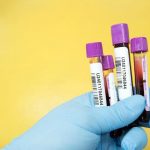
Artery stiffness could show severe COVID-19 risk
Scientists from Newcastle University found assessing the stiffness of the arteries could help identify patients most at risk of dying from COVID-19.
The research is...
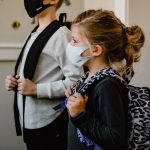
Children spread COVID-19 easier, and lockdowns worked
Scientists from the University at Albany found that children spread COVID-19 easier and that lockdowns worked.
They found young people were most responsible for an...

No safest spot to minimize risk of COVID-19 transmission on trains, shows study
Researchers have demonstrated how airborne diseases such as COVID-19 spread along the length of a train carriage.
They found there is no ‘safest spot’ for...

Women more likely to suffer with long COVID, study finds
Scientists from Johnson & Johnson found women are much more likely to suffer from long COVID than men and will experience substantially different symptoms.
The...

COVID-19 can rebound after taking oral med Paxlovid
Scientists from University of California San Diego found why COVID-19 can rebound after taking oral med Paxlovid.
The research is published in Clinical Infectious Diseases...

Breathing in polluted air can strongly harm your brain
Scientists from the University of Birmingham and elsewhere found that breathing in polluted air could lead to toxic particles being transported from the lungs...
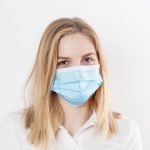
The longest known COVID-19 infection is more than 500 days
In a recent study from King’s College London, scientists found that the longest known COVID-19 infection is 505 days.
The patient tested positive for COVID-19...
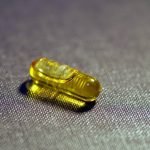
Vitamin D level could determine severity of COVID-19 infection
In a recent study from Trinity College Dublin, scientists found that vitamin D can determine the severity of COVID-19.
The finding highlights the association between...
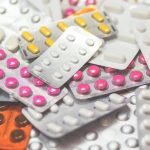
Common meds for heart disease, prostate cancer may treat COVID-19
In a recent study, scientists found metoprolol, a drug widely used to treat heart disease, is beneficial when administered to COVID-19 patients.
The research is...
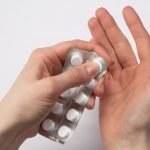
This antiviral drug could stop COVID-19 by day 3 of treatment
In a recent study, researchers found that people taking the new anti-COVID drug molnupiravir eliminated SARS-CoV-2 virus by day three of starting therapy, while...