Hormonal birth control pills have transformed women’s health over the past several decades.
They are used not only to prevent pregnancy but also to manage a wide range of health conditions, including irregular menstrual cycles, painful periods, endometriosis, and hormone-related acne. Because these medications are so commonly prescribed, understanding their full range of effects on both physical and mental health is important.
Scientists have long known that hormones can influence emotions, appetite, and eating patterns. Many women notice changes in mood or food cravings at different stages of the menstrual cycle. Researchers have also found evidence that natural hormone fluctuations may contribute to the risk of binge eating and other eating-related problems.
Binge eating is more than occasional overeating. It involves episodes in which a person consumes unusually large amounts of food while feeling unable to stop eating or control the behavior. Emotional eating, a type of binge eating, often occurs during periods of stress, sadness, anger, anxiety, or other difficult emotions.
A new study from Michigan State University suggests that synthetic hormones in birth control pills may influence emotional eating in some women.
The study, published in JAMA Network Open, followed 422 women who were taking combined oral contraceptives. These contraceptives contain synthetic versions of estrogen and progestin, the same hormones that naturally occur in the body.
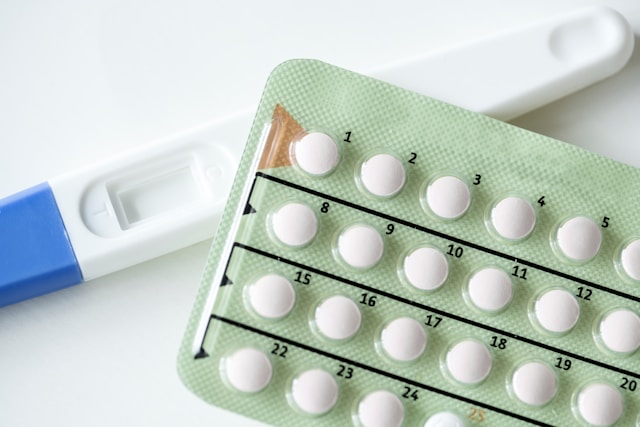
Most combined oral contraceptive packs contain two types of pills. Active pills contain synthetic hormones, while inactive pills contain no hormones. This arrangement gave researchers a valuable opportunity to compare eating behaviors during periods when women were taking hormones with periods when they were not.
For 49 consecutive days, the participants completed daily reports about emotional eating and binge-related symptoms. This approach allowed scientists to study changes within each individual woman rather than simply comparing different groups of people.
The researchers found that emotional eating increased significantly when participants were taking active hormone pills compared with inactive pills. This pattern appeared in the overall group and also among women who had current or past histories of clinically significant binge eating.
The findings suggest that synthetic hormones may affect emotional eating risk in at least some women. However, the researchers stressed that the effects were not universal. Most women taking combined oral contraceptives did not develop serious binge eating problems.
According to lead researcher Kelly Klump, the findings highlight a potential risk factor that may be relevant for certain women who already have other vulnerabilities. The results do not suggest that combined oral contraceptives are unsafe or inappropriate for most women.
The study also produced an unexpected and encouraging finding. The simple act of recording eating behaviors each day appeared to reduce binge eating symptoms over time. This technique, called self-monitoring, seemed beneficial even during periods when women were taking active hormone pills.
Self-monitoring is widely used in psychology because it encourages awareness of emotions and behaviors. People often become better at recognizing triggers and patterns when they regularly pay attention to their experiences. Increased awareness may make it easier to develop healthier coping strategies.
The researchers hope their findings will encourage medical professionals to discuss eating-related symptoms with patients who may be vulnerable and consider more personalized approaches to care. They also hope the results will encourage further research to determine which women are most likely to be affected and why.
When analyzing the study, several important points emerge. The research was carefully designed because it followed women every day and compared hormone exposure periods within the same individuals. However, the findings still cannot prove that birth control pills directly cause binge eating.
Human eating behavior is influenced by many biological, psychological, and social factors. The study nevertheless adds important evidence that hormones may affect mental health in complex ways.
It also highlights the value of paying attention to emotional well-being when prescribing medications and suggests that simple strategies such as self-monitoring could become useful tools for women who experience changes in eating patterns while taking hormonal contraceptives.
If you care about health, please read studies that scientists find a core feature of depression and this metal in the brain strongly linked to depression.
For more health information, please see recent studies about drug for mental health that may harm the brain, and results showing this therapy more effective than ketamine in treating severe depression.
Source: Michigan State University.