As people grow older, many begin to notice a gradual loss of strength, energy, and physical ability. Walking may become slower, climbing stairs may feel harder, and muscles may weaken over time.
This age-related decline in muscle function, often called muscle frailty, is one of the biggest health challenges facing aging populations around the world.
Researchers have spent years searching for ways to slow this decline and help older adults maintain independence and quality of life. Now, a new study suggests that a natural compound found in aged garlic extract may help support muscle strength and healthy aging.
The research was carried out by scientists from the Institute for Research on Productive Aging in Tokyo and Wakunaga Pharmaceutical in Hiroshima, Japan. Their findings were published in the journal Cell Metabolism.
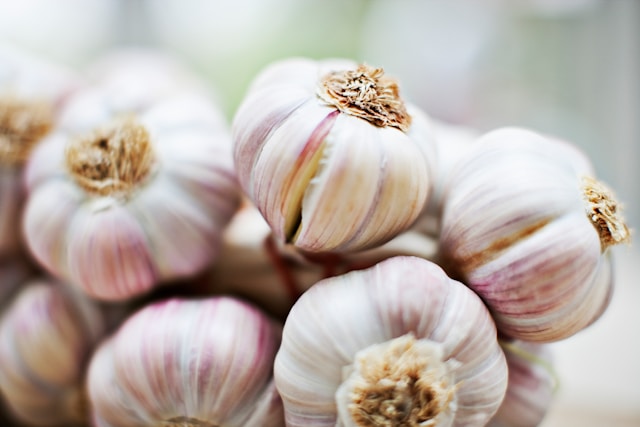
The compound studied is called S-1-propenyl-L-cysteine, also known as S1PC™. It is naturally found in aged garlic extract, a product made by aging garlic over time to produce stable and concentrated compounds.
Garlic has long been used in traditional medicine in many cultures. People have believed for centuries that garlic may help support health, circulation, and immunity. However, modern scientists are now trying to understand exactly how some garlic compounds work inside the body.
The researchers focused on S1PC™ because they believed it might influence biological systems involved in aging and muscle health.
The study found that S1PC™ did not act directly on muscles. Instead, it appeared to improve communication between different organs in the body, especially between fat tissue, the brain, and skeletal muscles.
Scientists discovered that S1PC™ activates an important enzyme called liver kinase B1, or LKB1. This enzyme helps regulate metabolism and energy use inside cells.
Activation of LKB1 then triggered another important pathway involving a protein called SIRT1. This pathway increased the release of a substance known as extracellular NAMPT, or eNAMPT, from fat tissue.
Although the names sound highly technical, the overall process may be easier to understand in simple terms. Fat tissue in the body does much more than simply store fat. Scientists now know it also sends chemical signals throughout the body that influence health and aging.
In this study, researchers found that fat tissue released eNAMPT into the bloodstream inside tiny particles called extracellular vesicles. These particles then traveled to the brain, specifically to an area called the hypothalamus.
The hypothalamus acts as one of the brain’s major control centers. It helps regulate body temperature, metabolism, stress responses, energy balance, and many other essential body functions.
When the eNAMPT signals reached the hypothalamus, they appeared to increase activity in the sympathetic nervous system, a network involved in controlling body responses and muscle function.
As a result, muscle performance improved.
The researchers tested the effects of S1PC™in older mice. Long-term treatment with the garlic-derived compound improved several important signs of aging. The mice showed lower frailty scores, stronger muscle force, and healthier body temperature regulation.
Importantly, the researchers also conducted a human study. They found that S1PC™ increased circulating eNAMPT levels in people as well, especially in individuals with enough body fat tissue.
The scientists considered this especially important because it suggests that the same biological pathway may operate similarly in cells, mice, and humans.
Dr. Kiyoshi Yoshioka, one of the study’s lead researchers, explained that his interest in this topic came from years of working as a physical therapist. He often saw older adults lose physical function and vitality even when they did not have major diseases requiring medical treatment.
This experience motivated him to search for ways to support healthy aging before serious disability develops.
Researchers say the findings could eventually lead to practical nutritional approaches for helping older adults maintain strength and independence.
The study also highlights a growing area of science focused on “nutraceuticals.” These are food-derived compounds that may provide medical or health benefits beyond basic nutrition.
Unlike expensive anti-aging drugs, nutraceutical approaches may potentially offer more affordable and accessible options for supporting health in aging populations.
Still, scientists caution that much more research is needed before firm conclusions can be made.
Although the findings in mice were promising, researchers must now determine whether long-term use of S1PC™ can significantly improve muscle function and reduce frailty in humans over time.
The researchers also noted that aged garlic extract has already been consumed for generations without reports of major safety problems, suggesting the compound may have a favorable safety profile.
Another interesting aspect of the study is how it changes scientific understanding of aging itself. Instead of viewing aging as a problem affecting only one organ at a time, scientists increasingly believe aging involves communication between many body systems working together.
This study revealed a previously unknown communication pathway connecting fat tissue, the brain, and muscles. Understanding these connections may help researchers develop new ways to support healthy aging in the future.
Dr. Shin-ichiro Imai, chairman of the Institute for Research on Productive Aging, said the findings may represent only the beginning. He believes S1PC™ could potentially have broader anti-aging effects that deserve further investigation.
As populations continue aging worldwide, studies like this may become increasingly important. Scientists hope that understanding how natural compounds influence the body may eventually lead to safer and more practical ways to maintain strength, mobility, and quality of life during aging.
The study was published in Cell Metabolism.
S1PC is a trademark of Wakunaga Holdings Co., Ltd.