

How does the body convert food to fuel? How much do we need? And...
You have more of it on Saturdays than on Mondays, it seems to evaporate just before any planned gym session, and kids on airplanes...

Depression drug may help slow reproductive aging
A recent study conducted by researchers at Northwestern University has uncovered a surprising benefit of SSRIs.

Deaf weight wise: A weight loss program made for the deaf, by the deaf
a specialized weight loss program called Deaf Weight Wise is making a difference. This program was created by Deaf people for Deaf people.

Almshouses: A place to call home and live longer!
Almshouses are special community housing for people in need.
They provide a safe and affordable place to live while fostering a sense of togetherness among...

Morning birds and religious souls: finding happiness in early riser’s habits
Previous studies have shown that those who prefer waking up early tend to have higher life satisfaction and are often more conscientious.
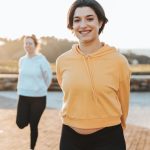
Supporting your digestive system: Three ways to improve gut health
Discover the profound impact of digestive health on overall well-being and learn expert-backed strategies to improve gut health.
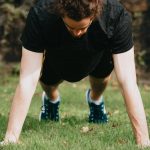
Both Low Load, high rep and high load, low rep resistance training result in...
There's no significant difference in muscle growth between low load, high repetition and high load, low repetition resistance training.
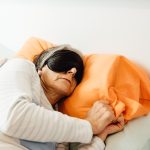
Georgia Tech’s wearable device aims to simplify sleep apnea diagnosis
Researchers at Georgia Tech have developed a wearable device to accurately measure obstructive sleep apnea and sleep quality in a more cost-effective and accessible...

Be cautious with supplements: Vitamin b3 form could increase cancer risk
Here's some news about vitamins, the little helpers in our body.
Scientists from the University of Missouri have found that taking too much of a...

Evening social media use linked to delayed sleep, study finds
A new study from Duke University and Yale University has discovered a causal association between evening social media use and delayed sleep.