

How to assess risk for Alzheimer’s disease
Families have many things in common, including their genes, environment, and lifestyle.
Together, these things may offer clues to diseases, like late- and early-onset Alzheimer’s,...

A well-aged mind: how to maintain your cognitive health
Getting older can bring many changes, both physically and mentally. Even when you’re healthy, your brain and body start slowing down.
Maintaining your cognitive health—the...
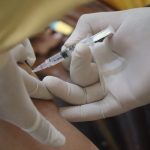
A single dose of this drug can effectively prevent COVID-19
Scientists from the University of Colorado found that a single dose of AZD7442 is effective in preventing COVID-19.
The research is published in the New England...

Air pollution may cause heart attack within an hour, study finds
Scientists from Fudan University found that exposure to air pollutants – even at levels below World Health Organization air quality guidelines – may trigger...

Scientists find the cause of some ‘long COVID’ cases
Scientists from UCLA found a surprising clue to the ‘long COVID’ syndrome.
They found an abnormally suppressed immune system may be to blame, not a...

Scientists find how to detect Alzheimer’s early with blood test
Scientists from the Brain Chemistry Labs found a new way to detect Alzheimer’s disease with a blood test.
The research is published in PLOS ONE and was...

Longer interval between COVID-19 vaccines can produce 9 times as many antibodies
Scientists from the UK Health Security Agency found that a longer interval between primary COVID-19 vaccine doses can boost antibody production up to nine...

Late-onset and early-onset Alzheimer’s disease: What is the difference?
Many people worry about developing Alzheimer’s disease, especially if a family member has had it.
Having a family history of the disease does not mean for sure...

Cardiac arrest: What you need to know
Cardiac arrest is a condition in which the heart suddenly and unexpectedly stops beating. If this happens, blood stops flowing to the brain and...

Omicron infection just 20 days after Delta, scientists find
Scientists from Institut Català de Salut found that Omicron infection just 20 days after Delta, the shortest known gap between infections.
The research was presented...