

Why 15% of UK people have never had COVID-19
In a study from London Medical Laboratory, scientists found many people have contracted COVID at least three times, yet around 3 in 20 Brits...

Scientists find cause of post-COVID syndromes
In a study from Cedars-Sinai, scientists proposed a theory for how SARS-CoV-2, the virus that causes COVID-19, infects the body.
Their hypothesis could explain why...
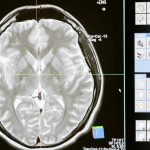
We studied how COVID affects mental health and brain disorders up to two years...
The occurrence of mental health conditions and neurological disorders among people recovering from COVID has been a concern since early in the pandemic.
Several studies...

Three drugs fail as COVID-19 treatments
Scientists from the University of Minnesota found ivermectin and fluvoxamine cannot work as COVID-19 treatments.
They found the drugs cannot fight against COVID among overweight...

Omicron infection provides poor natural boost for future re-infection
In a recent study from Imperial College London, scientists found that people infected with the omicron variant show poor immune boosting against future SARS-CoV-2...

Common arthritis drugs may reduce protection from COVID-19 vaccine
In a study from the Arthritis Foundation, scientists found some arthritis drugs may reduce the effectiveness of COVID vaccines.
The finding suggests that disease-modifying drugs used...

Severe COVID-19 could increase your risk of deadly blood clots
Scientists from the University of Pennsylvania found people hospitalized with COVID-19 are more likely to develop venous thromboembolism—a potentially life-threatening condition—than those hospitalized with...

Two years after COVID infection, survivors still have higher risks of brain and mental...
In a study from the University of Oxford and elsewhere, scientists found an increased risk of some brain and mental disorders remains two years...
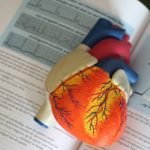
Scientists find new clue in how COVID-19 harms the heart
Scientists from Houston Methodist found that patients with prior COVID may be twice as likely to have unhealthy endothelial cells that line the inside...

Scientists find weight loss drugs that help stop COVID-19
In a recent study from Oregon Health & Science University, scientists found the virus that causes COVID-19 undertakes a massive takeover of the body’s...