

These daily habits may cause cancer
Cancer is a serious disease that happens when abnormal cells grow out of control in the body. While some risk factors, like age or...

Could feeling very tired be an early sign of cancer?
Fatigue is something almost everyone experiences. Whether it’s from a lack of sleep, stress, a busy lifestyle, or even an illness like the flu,...

Is it possible to cure stage 4 cancer?
Hearing the words “stage 4 cancer” can feel terrifying. It’s often seen as the most serious kind of cancer, and many people think it...

Natural ways to support cancer treatment
Cancer treatment can be physically and emotionally exhausting. While surgery, chemotherapy, radiation, and other medical treatments are essential for fighting cancer, many people also...

Can stress really raise the risk of cancer?
Stress is something most people experience at some point in life. Whether it comes from work, family problems, or health issues, stress can affect...
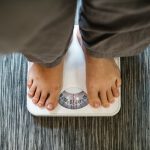
When weight loss is a red flag of cancer
Losing weight without trying might sound like a welcome surprise, but in some cases, it can be a sign of something more serious. Unexplained...
How quickly cancer can spread without treatment
Cancer is a disease where abnormal cells grow uncontrollably and can invade other parts of the body. One of the most frightening things about...
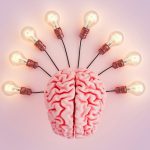
Electric fields may supercharge the immune system to fight deadly brain cancer
A new study offers fresh hope for people diagnosed with glioblastoma, one of the most aggressive and deadly brain cancers.
Researchers at Keck Medicine of...

Olive oil may help prevent cancer, Alzheimer’s, heart disease
Olive oil has long been known for its role in the Mediterranean diet and its many health benefits. Now, a recent study by researchers...

Study finds important cause of colorectal cancer
A groundbreaking new study has offered the most detailed look yet at the genetic changes behind colorectal cancer—one of the most common and deadly...