

Healthy habits may improve longevity, prevent Alzheimer’s disease
Scientists from Rush University found that everyday habits that serve as the backbone of a healthy lifestyle may keep your brain sharp and help...

Scientists find new biomarkers to detect Alzheimer’s early
Scientists from Edith Cowan University have found a new biomarker that could be used to detect Alzheimer's disease decades before symptoms emerge.
The research is...

Drawing tests could detect Alzheimer’s disease
Changes in drawing traits have been reported in people with early-stage cognitive impairments, but most studies have used a single drawing task only.
Scientists from...

Alzheimer’s disease’s effects are far broader in the body than scientists thought
Scientists from Beth Israel Deaconess Medical Center found that Alzheimer’s disease's effects are far broader in the body than researchers realized.
The research is published...

Two FDA-approved mental health drugs may help treat Alzheimer’s disease
Scientists from the University of Colorado found two commonly used psychiatric drugs show evidence of improving symptoms of Alzheimer's disease including boosting cognition.
They found...

These 2 arthritis drugs may help prevent Parkinson’s disease
Scientists from the University of Eastern Finland found two rheumatoid arthritis drugs show potential for lowering the risk of Parkinson’s disease.
The research is published...
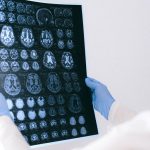
Brain damage could be severer in COVID-19 than in Alzheimer’s disease
Scientists from NYU Grossman School of Medicine found people hospitalized for COVID-19 had higher levels of neurological damage than non-COVID-19 patients diagnosed with Alzheimer’s...

Combination of ‘feelings’ and measurements may help detect Alzheimer’s early
Scientists from the University of Cologne found subjective memory disorders in conjunction with conspicuous levels of beta-amyloid proteins in the cerebrospinal fluid are a...

Alzheimer’s disease can be detected with a peanut butter test
Scientists from the University of Florida found a short, non-invasive peanut butter odor test could help diagnose Alzheimer’s disease.
The research is published in the...

Slow walk and memory problems may predict dementia risk
Scientists from the University of Edinburgh found a combination of slow walking and difficulties with memory could be associated with double the risk of...