
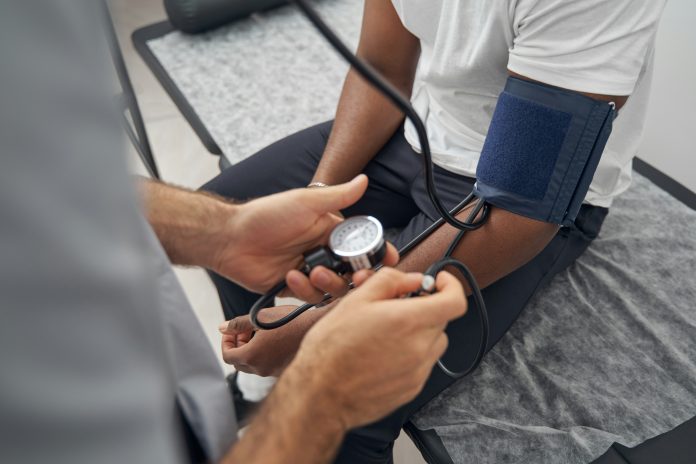
High blood pressure, also known as hypertension, is one of the world’s biggest health challenges. It affects billions of people and is a major cause of heart disease, stroke, kidney failure, and premature death.
Because high blood pressure often develops without causing symptoms, many people do not know they have it until serious health problems appear. For this reason, hypertension is frequently called a ‘silent killer.’
When blood pressure stays too high for a long time, it places extra strain on the heart and blood vessels. Over time, this constant pressure can damage arteries and reduce blood flow to important organs.
The result can be life-changing health problems such as heart attacks, strokes, heart failure, kidney disease, and memory decline. According to global health experts, high blood pressure is responsible for millions of deaths every year and remains one of the leading causes of disease worldwide.
The good news is that hypertension can often be prevented and treated. Healthy lifestyle habits such as eating a balanced diet, reducing salt intake, exercising regularly, maintaining a healthy weight, limiting alcohol, and avoiding smoking can help lower blood pressure.
For many people, medications are also highly effective at controlling hypertension and reducing the risk of serious complications.
Despite these available treatments, many people around the world are still not receiving the care they need. Researchers from the University of Washington and several other organizations believe this gap in care is one of the biggest missed opportunities in public health.
The research team, led by Sarah J. Pickersgill, recently proposed a new global strategy called the 80-80-80 target. Their findings were published in the journal Nature Medicine. The researchers believe that adopting this simple plan as national health policy in countries around the world could dramatically reduce illness and save millions of lives.
The researchers analyzed health data from many countries and discovered a worrying problem. Only about 20% of people with high blood pressure have their condition properly controlled with medication.
In other words, around four out of every five people with hypertension are not receiving adequate treatment or are not reaching healthy blood pressure levels.
There are several reasons for this treatment gap. In many parts of the world, access to healthcare remains limited. Some communities do not have enough clinics, healthcare workers, or affordable medicines.
Many people have never had their blood pressure measured and therefore do not know they have hypertension. In some places, public awareness campaigns are lacking, and healthcare systems may not prioritize blood pressure screening and treatment.
To address these problems, the researchers proposed the 80-80-80 plan. The first goal is for 80% of adults with high blood pressure to know they have the condition through screening and testing.
The second goal is for 80% of those who are diagnosed to receive appropriate treatment. The third goal is for 80% of the people receiving treatment to successfully lower their blood pressure to healthy levels.
Although the targets are simple, the potential benefits are enormous. The researchers used computer models to estimate what might happen if countries around the world achieved these goals.
Their findings suggest that between 76 million and 130 million deaths could be prevented. This represents one of the largest opportunities in modern medicine to reduce suffering and extend life expectancy.
Better blood pressure control would not only save lives but also prevent millions of people from experiencing heart attacks, strokes, kidney disease, and other serious complications. Many individuals would enjoy healthier and more productive lives, while healthcare systems could face lower costs and fewer demands from preventable illnesses.
The researchers believe that the 80-80-80 strategy is achievable in both wealthy and lower-income countries if governments make hypertension prevention and treatment a public health priority.
The plan does not depend on expensive new technologies or complicated treatments. Instead, it focuses on identifying people with high blood pressure, ensuring they receive proper treatment, and helping them keep their blood pressure under control.
The study published in Nature Medicine suggests that a straightforward strategy could become one of the most successful public health efforts of the coming decades.
By making blood pressure screening and treatment available to more people, countries may have an opportunity to prevent millions of unnecessary deaths and help people around the world live longer, healthier lives.
If you care about high blood pressure, please read studies that early time-restricted eating could help improve blood pressure, and natural coconut sugar could help reduce blood pressure and artery stiffness.
For more information about blood pressure, please see recent studies about added sugar in your diet linked to higher blood pressure, and results showing vitamin D could improve blood pressure in people with diabetes.
Copyright © 2026 Knowridge Science Report. All rights reserved.