
High blood pressure, also called hypertension, is one of the most common health problems in the world.
It happens when the force of blood pushing against the walls of the arteries stays too high for a long period of time.
At first, high blood pressure usually causes no symptoms, so many people do not know they have it. This is why doctors often call it a ‘silent killer.’ Over time, uncontrolled high blood pressure can damage blood vessels and force the heart to work much harder than normal.
If high blood pressure is left untreated, it can lead to many serious health problems. It raises the risk of heart attacks, strokes, heart failure, kidney disease, and even vision loss.
According to health experts, a healthy blood pressure reading is generally around 120 over 80 millimeters of mercury, written as 120/80 mmHg. People whose blood pressure remains above 130/80 mmHg may have hypertension and should speak with their doctor about ways to manage it.
Many factors can increase the risk of developing high blood pressure. Getting older naturally raises the risk because blood vessels become less flexible over time.
Being overweight, not getting enough physical activity, eating too much salt, smoking, drinking excessive amounts of alcohol, and dealing with long-term stress can also contribute to hypertension. Certain medical conditions, such as diabetes and kidney disease, may make the problem even worse.
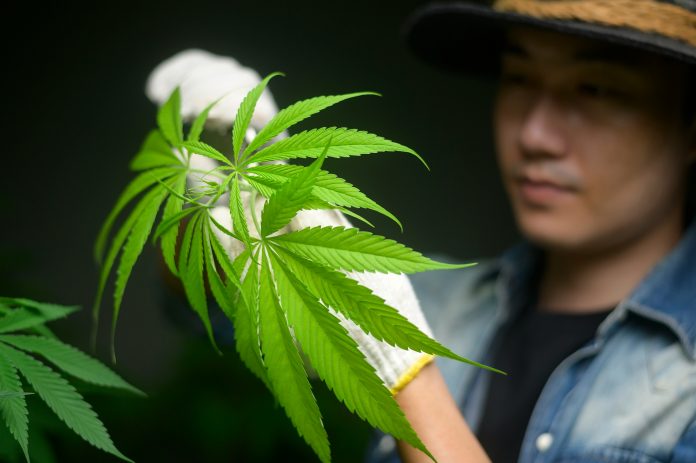
Now, scientists are looking at another possible risk factor: marijuana use. A study from Georgia State University suggests that using marijuana may increase the risk of dying from problems related to high blood pressure.
The researchers studied adults aged 20 years and older. Participants were considered marijuana users if they reported using marijuana at some point in their lives. After analyzing the information, the researchers found a concerning pattern.
People who used marijuana were more than three times more likely to die from high blood pressure-related causes than people who had never used it. The study also found that the risk appeared to rise the longer a person had used marijuana.
Scientists are still trying to understand exactly why marijuana may affect blood pressure and heart health. One possible explanation is that marijuana can temporarily increase heart rate and raise blood pressure.
During this time, the body and heart need more oxygen to function properly. For someone who already has high blood pressure or an underlying heart condition, these changes could place additional strain on the cardiovascular system.
The increased demands on the heart may trigger problems such as chest pain, abnormal heart rhythms, or even heart attacks in vulnerable individuals. The researchers behind the study suggested that marijuana might have a greater impact on heart health than many people realize.
They even noted that marijuana could potentially be more harmful to the heart than cigarette smoking in certain situations, although more studies are needed to fully understand these risks.
Many people believe marijuana is harmless because it is used medically for some conditions and has become legal in certain places.
However, legal status does not necessarily mean a substance is free of health risks. Like many medications and recreational substances, marijuana may have both benefits and risks depending on the person, their health conditions, and how often it is used.
For people who have high blood pressure or are at risk of developing it, these findings serve as an important reminder to be cautious. If you use marijuana, it may be worth discussing it openly with your doctor, especially if you already have heart disease, high blood pressure, diabetes, or other medical conditions that affect the cardiovascular system.
The study, published in the European Journal of Preventive Cardiology, adds to our growing understanding of how marijuana may influence heart and blood vessel health. However, the researchers emphasize that more studies are needed to determine exactly how marijuana affects blood pressure and why it may increase the risk of death.
Until scientists know more, the safest approach is to focus on habits that support healthy blood pressure. Eating a balanced diet, exercising regularly, maintaining a healthy weight, getting enough sleep, managing stress, and avoiding substances that may harm the heart can all help protect long-term health.
For people who already have high blood pressure, taking steps to manage the condition and avoiding things that may make it worse can greatly reduce the risk of serious complications.
If you care about blood pressure, please read studies that black licorice could cause dangerous high blood pressure, and this common plant nutrient could help reduce high blood pressure.
For more information about blood pressure, please see recent studies about how coffee influence your risk of high blood pressure, and results showing this olive oil could reduce blood pressure in healthy people.
Copyright © 2026 Knowridge Science Report. All rights reserved.