
A large new study suggests that following a Mediterranean-style diet may help protect bones and reduce the risk of fractures, especially hip fractures. The research was led by scientists from the University of Chester in the United Kingdom.
By reviewing results from many previous studies, the researchers found that people who follow this well-known healthy diet appear less likely to suffer serious bone fractures as they age.
Bone health is a major concern around the world, particularly as populations grow older. Conditions such as osteoporosis, fragile bones, and falls can lead to fractures that greatly affect a person’s independence and quality of life.
Hip fractures in particular are considered one of the most serious injuries for older adults because they often require surgery and long recovery periods. Many people never fully regain their previous level of mobility.
Because of these risks, scientists are increasingly interested in understanding how lifestyle choices, especially diet, can influence bone health. While doctors often focus on nutrients such as calcium and vitamin D, researchers now believe that overall dietary patterns may be just as important.
The new research, published in the scientific journal Nutrients, examined 30 previous studies that together included more than 500,000 adults. By combining data from so many participants, the researchers were able to get a clearer picture of how different diets may affect bones over time.
The study evaluated several well-known dietary patterns. These included the Mediterranean diet, calorie-restricted diets, high-protein diets, low-carbohydrate diets, and ketogenic diets. Ketogenic diets are eating plans that greatly reduce carbohydrates while increasing fat intake. Some people use these diets for weight loss or for medical reasons.
The scientists wanted to understand how these diets influence skeletal health. In particular, they examined three important factors: bone mineral density, the risk of fractures, and markers that show how quickly bone tissue is being broken down or rebuilt inside the body.
Bone mineral density, often called BMD, is a common measure doctors use to evaluate bone strength. It shows how much mineral material is packed inside the bones. Lower bone density is often linked to osteoporosis and a higher risk of fractures.
Interestingly, the researchers found that none of the diets showed a strong effect on bone mineral density itself. However, when they looked at fracture risk, the results were more revealing. People who closely followed a Mediterranean diet had a significantly lower risk of hip fractures and fractures overall.
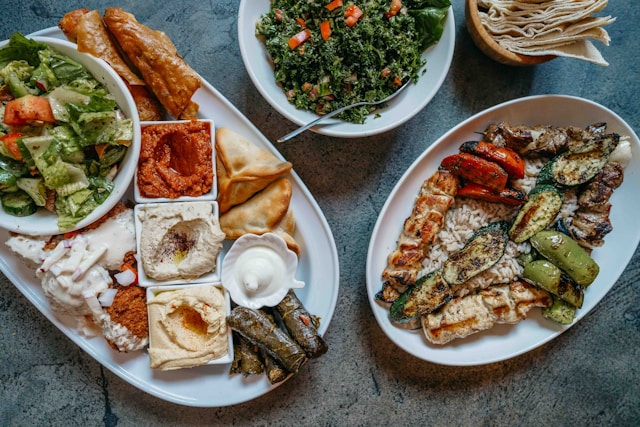
The Mediterranean diet is based on traditional eating patterns common in countries around the Mediterranean Sea, such as Greece and Italy. It focuses heavily on fruits, vegetables, whole grains, legumes, fish, olive oil, and nuts. It also includes moderate amounts of dairy and very limited amounts of processed foods and red meat.
According to the researchers, this diet likely protects bone health because it contains many nutrients that support the structure and maintenance of bones.
These include calcium, magnesium, vitamin K, potassium, and natural plant compounds known as polyphenols. Many of these nutrients help control inflammation and support the constant process in which old bone tissue is replaced with new bone.
In contrast, the study found that calorie-restricted diets were linked with increased signs of bone breakdown. These diets often involve eating significantly fewer calories to promote weight loss.
While weight loss can have health benefits in some cases, it may also reduce the mechanical pressure placed on bones. Because bones become stronger when they bear weight, losing too much weight too quickly can weaken them.
Other diets examined in the study showed mixed or neutral effects. High-protein diets and low-carbohydrate diets did not appear to clearly improve or worsen bone health overall, according to the available evidence.
The research team emphasized that nutrition influences bone health in complex ways. Rather than focusing on a single nutrient, the overall balance of foods in a person’s diet may be what truly matters.
The Mediterranean diet may work well because it combines many beneficial foods that together support bone remodeling. Bone remodeling is the natural process through which old bone tissue is constantly broken down and replaced with new tissue. Maintaining this balance is essential for keeping bones strong over time.
The findings of the study also highlight how diet can serve as an important tool in preventing bone disease. While medications are often used to treat conditions like osteoporosis, lifestyle changes such as healthy eating and physical activity may help reduce risk before serious problems develop.
However, the researchers also noted some limitations. Because the study combined results from many different studies, the exact dietary habits and measurement methods varied across the research. In addition, most of the studies were observational, meaning they could identify links but could not prove direct cause and effect.
Even so, the overall pattern of results strongly supports the idea that the Mediterranean diet is beneficial for bone health. Its combination of plant foods, healthy fats, and balanced nutrients appears to provide a supportive environment for maintaining strong bones as people age.
The study also provides a useful reminder that extreme diets may carry unintended health consequences. Diets that greatly restrict calories or eliminate major food groups may affect the body in ways that are not immediately obvious, including weakening bones over time.
Overall, the findings reinforce the Mediterranean diet as a practical and sustainable approach to healthy aging. In addition to its well-known benefits for heart health and metabolism, this eating pattern may also help protect bones and reduce the risk of fractures in later life.
Future research will help scientists understand more precisely how diet influences bone strength and how nutritional strategies can be used to support lifelong musculoskeletal health.
If you care about bone health, please read studies that plant-based diets can harm your bone health without these nutrients, and this bone problem may strongly increase COVID-19 death risk.
For more health information, please see recent studies that too much of this vitamin may increase your risk of bone fractures, and results showing this type of exercise may protect your bone health, slow down bone aging.
Copyright © 2026 Knowridge Science Report. All rights reserved.