
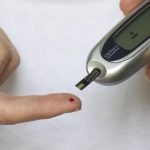
People with diabetes and cognitive decline may have a higher heart disease risk
Scientists from McMaster University found that people with type 2 diabetes who have cognitive impairment could be at greater risk for stroke, heart attack...

COVID-19 directly infects and damages human kidney, study finds
Scientists from Duke University found that the virus that causes COVID-19, SARS-CoV-2, can directly infect a specialized type of kidney cell.
The discovery helps explain...

Can cognitive training prevent Alzheimer’s disease?
Cognitive training involves structured activities designed to enhance memory, reasoning, and speed of processing.
There is encouraging but inconclusive evidence that a specific, computer-based cognitive...

Can traumatic stress from Covid lead to PTSD?
Scientists from Georgia State University found that for some Americans, the COVID-19 pandemic has emerged as a source of traumatic stress that may predict...

Living near greenspace may lower stroke risk
Scientists from Smith College in Northampton found that Living in areas with greater greenspace is tied to a lower risk for stroke.
The research is...

Scientists find the top cause of death among children and adolescents
Scientists from the University of Michigan found that firearms have surpassed motor vehicles as the leading cause of death among children and adolescents in...

Walking everyday may help reduce high blood pressure
Scientists from the University at Buffalo found that women who walk 30 minutes a day may have a much lower risk of developing high...

To mask, or not to mask? Let’s check some experts’ opinions
A federal judge struck down the government’s transportation mask mandate on Monday, making face coverings optional for passengers and employees.
Four major airlines immediately revoked...

Scientists find 5 types of bacteria linked to aggressive prostate cancer
Scientists from the University of East Anglia found a link between bacteria and aggressive forms of prostate cancer.
They found five types of bacteria that...

Beer and spirits have more detrimental effects on the waistline and on cardiovascular disease...
The big idea
Drinking beer and spirits is linked to elevated levels of visceral fat – the harmful type of fat that is associated with...