

Find help for low vision
For people with low vision, everyday activities can be a challenge. People with low vision don’t see well even with standard glasses, contact lenses,...

COVID-19 can infect kidneys directly, study finds
Scientists from the University of Washington found that COVID-19 can directly invade human kidney cells—specifically the proximal tubules, which are major gatekeepers in the organs'...

A sports cardiologist’s guide to running
The weather's finally warming up, and you're eager to grab those dust-covered shoes out of the closet and hit the running path.
But hold on...

This study shows a new method to prevent heart attack, stroke
Scientists from the University of Virginia found a new way to prevent heart attacks and strokes.
They found it could be done by strengthening the...
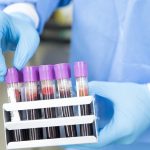
People with blood types A and B may develop dangerous blood clots more easily
Scientists from the University of Groningen found that people with blood types A and B may have higher risks of developing dangerous blood clots...

These common drugs may cut death risk by 50% after ‘long COVID’
Scientists from the University of Florida found that among patients hospitalized for COVID-19 who seemingly recovered, severe systemic inflammation during their hospitalization is a risk factor...

Zinc may help prevent severe COVID-19, study finds
Scientists from Hospital del Mar found that administering zinc supplements to COVID-19 patients with low levels of this element may be a strategy to...

Your feelings plus tests could help detect Alzheimer’s early
Scientists found that subjective memory disorders in conjunction with conspicuous levels of beta-amyloid proteins in the cerebrospinal fluid are a strong indication of developing...

Using debit cards over cash cannot prevent COVID-19, study finds
Scientists from Brigham Young University found that the SARS-CoV-2 virus is almost immediately nonviable if deposited on a cash banknote.
The virus actually shows greater stability on plastic money cards, with...

Over 7 million Europeans may have skin cancer
Scientists from the University Hospital of La Timone found that 1.71% of the adult European general population reported having skin cancer, meaning some 7,304,000...