
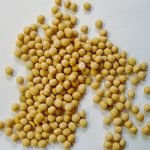
Soy is the best protein source for your kidney health
Scientists from the Chinese University of Hong Kong found that soy protein is the best for kidney function.
The research is published in Clinical Biochemistry...

Bad air day: Air quality and your health
In many parts of the country, summer has the worst air quality of any season.
When the forecast says it’s a code red day for...

Your microbes and you: the good, bad and ugly
Microscopic creatures—including bacteria, fungi and viruses—can make you ill. But what you may not realize is that trillions of microbes are living in and...

COVID-19 treatment evusheld: What you need to know
What is it? Evusheld is a monoclonal antibody, but different than the other medications listed above. It combines two drugs, tixagevimab and cilgavimab.
It is not...

This diet could benefit your blood vessels, heart health
Scientists from Tel Aviv-Sourasky Medical Center found key nutrients, including protein, zinc and niacin, could help improve blood vessel and heart health.
The research was...

Finger length could help predict severe COVID-19
Scientists from Swansea University found the link between levels of sex hormones in the womb and in puberty and COVID hospitalizations.
The research is published...

Vision and hearing problems linked to serious cognitive decline in older people
Scientists from the University of Toronto found hearing impairment and vision impairment to be strongly associated with cognitive impairment in older people.
They found older adults with...

Unvaccinated people with heart disease 9 times more likely to die in COVID-19
Scientists from the Queen Mary University of London found that unvaccinated people with high blood pressure, diabetes, or major heart damage are up to...
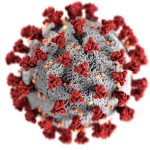
COVID treatment molnupiravir: What you need to know
What is it? Molnupiravir, also known by the brand name Lagevrio, was developed by Merck and Ridgeback Biotherapeutics.
It was heralded as a potential game-changer when...
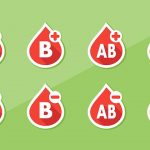
Some blood types could cause severe COVID-19, study finds
Scientists from King’s College London found blood proteins that could cause or prevent severe COVID-19.
The research is published in PLOS Genetics and was conducted...