

End of strict COVID measures in China could result in 1.5 million deaths in...
In a new study published in Nature Medicine, researchers revealed that if China rescinds Zero-COVID policies, the country’s healthcare system will almost certainly be...
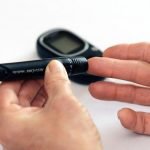
People with type 2 diabetes can benefit from low dose of this medication
In a recent study from the University at Buffalo, researchers found that an insulin-sensitizing drug can benefit patients with insulin resistance at lower doses...
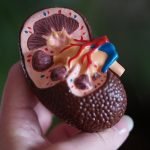
Kidney injury from COVID-19 may be twice as common as diagnosed
Scientists from the University of Queensland found millions of COVID-19 patients may have undiagnosed acute kidney injury (AKI).
The research is published in PLOS Medicine...

This skin problem linked to higher risk for non-alcoholic fatty liver disease
Scientists from the First Affiliated Hospital of Shantou University found that Psoriasis is linked to nonalcoholic fatty liver disease (NAFLD) in a U.S. outpatient...
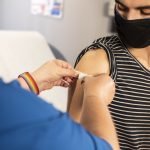
Vaccines have up to 90% efficacy against severe COVID-19 for up to 6 months
Scientists from Penn State found that protection against symptomatic COVID-19 begins to decrease after one month from initial vaccination, while immunity against severe COVID-19...
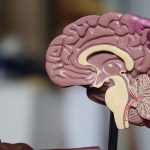
This diabetes drug may also help to prevent Alzheimer’s disease
Scientists from Karolinska Institutet found that mechanisms linked to a particular diabetes drug can also help to protect against Alzheimer's disease.
The results indicate that...

This new discovery may help stop flu forever
Scientists from UC Riverside found a way to block one strain of the influenza virus from accessing a human protein it needs to replicate...

This kidney disease linked to high risk of heart attack, stroke
Glomerular diseases damage the glomeruli, letting protein and sometimes red blood cells leak into the urine.
Sometimes a glomerular disease also interferes with the clearance of...
This study shows a new way to detect dementia before symptoms appear
In a recent study from Boston University and elsewhere, researchers found a blood biomarker that could help identify people with the earliest signs of...
Your liver is just under three years old, no matter how old you are
Scientists from the Dresden University of Technology found that regardless of people’s age, their liver is always under three years old.
The research is published...