

Young adults with cancer have higher risk of heart failure
In a significant revelation, a study conducted by Northwestern Medicine has found that young adults, between the ages of 18 and 39, who survive...

The promise of two common drugs in treating a certain type of stroke
Do you know what a stroke is? It's a medical emergency where blood flow to a part of the brain gets blocked. This can...

Coffee and severe high blood pressure: a deadly mix
A recent study has shed light on the potential impact of coffee consumption on heart disease risk, particularly among individuals with severe high blood...

The exercise clock: Is there a best time to exercise for people with diabetes?
What if the time you choose to exercise could affect your health, especially if you have type 2 diabetes? This is a question that...

Young woman shocked by implanted defibrillator while making a TikTok video
Mary "Micky" Foos was in her garage creating a TikTok video of her dancing when she felt like she was hit from behind by...
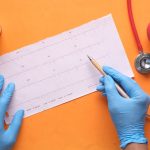
Watch your heart to keep your mind: link between heart problems and dementia
A scientist named Lina Rydén from the University of Gothenburg in Sweden has been studying a possible link between these two problems.
AI finds 5 types of heart failure to predict future risk
Heart failure is a condition where the heart struggles to pump blood effectively throughout the body.
Current methods of classifying heart failure don't accurately predict...

Potential kidney harm linked to rosuvastatin, a commonly used cholesterol-lowering drug
A recent study conducted by Johns Hopkins University has raised concerns about the potentially harmful effects of rosuvastatin, a widely prescribed statin drug used...
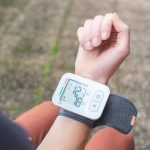
High blood pressure drug linked to higher risk of deadly heart disease
A recent study conducted by the European Sudden Cardiac Arrest network has discovered a potential connection between a commonly prescribed drug for high blood...

Air pollution increases death risk in heart failure
Heart failure patients have an increased risk of death from their condition on polluted days and up to two days afterward.