

Some people need additional COVID-19 vaccine doses
Scientists from the National University of Singapore found immunocompromised patients should get additional doses of the COVID-19 vaccine.
The findings reinforce the importance of additional doses...
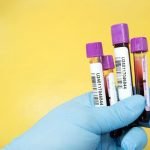
Scientists find the cause of mysterious blood clots in long COVID
In patients with serious and long-term COVID-19, disturbed blood coagulation has often been observed.
Scientists from Linköping University found that the body's immune system can...
Haven’t had COVID yet? It could be more than just luck
We all know a few of those lucky people who, somehow, have managed to avoid ever catching COVID. Perhaps you’re one of them.
Is this...

COVID-19 may increase your risk of neuropathy
Scientists from Washington University in St. Louis found that some people infected during the COVID-19 pandemic’s early months experienced peripheral neuropathy—pain, tingling and numbness...

Natural antibodies can last 20 months after COVID-19 infection
Scientists from the University of California, Los Angeles found in people who have already had COVID-19, the natural antibodies may last as long as...
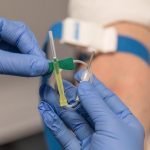
Scientists find early warning signs who needs critical care for COVID-19
Scientists from the University of Vienna have developed and validated an algorithm that can help healthcare professionals identify who is most at risk of...

More younger people die in COVID-19 during pandemic
Scientists from the University of Pennsylvania found the COVID mortality age patterns changed significantly during pandemic.
The research is published in JAMA Network Open and...
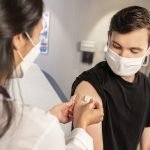
Vaccination after COVID-19 infection may reduce ‘long COVID’ symptoms
Scientists from Office for National Statistics in the UK found that vaccination after COVID-19 infection is linked to a decrease in the likelihood of...

COVID-19 may increase risk of Parkinson’s disease
Scientists from Thomas Jefferson University found that COVID-19 could increase the risk of brain degeneration seen in Parkinson's disease.
The research is published in Movement...
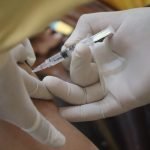
COVID-19 booster can provide broad protection against Omicron subvariants
Scientists from Ohio State University found that a COVID-19 booster shot will provide strong and broad protection against the range of omicron subvariants of...