
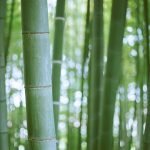
Bamboo could be the next source of renewable energy, shows study
Bamboo, often associated with adorable pandas, is not only fascinating but also a promising resource for renewable energy.
In a recent article, scientists highlighted the...
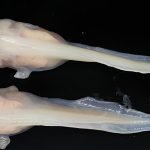
Scientists reveal the survival secrets of the deepest sea life: Hadal Snailfish
Researchers have just published a new report all about the extraordinary adaptations of one of the world's most extreme creatures, the hadal snailfish.
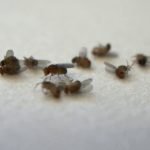
Seeing corpses triggers aging in flies, shows study
A team of researchers led by Christi Gendron at the University of Michigan has made a fascinating discovery about the connection between perception of...

How much difference your hair really makes to keep you cool or warm?
We have millions of hair follicles on our body, including around 100,000 on our scalp.
This might sound like a lot of hair, yet humans...
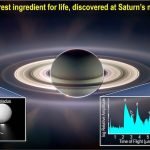
Scientists find critical building block for life at Saturn’s moon Enceladus
Scientists have found new clues that hint at the presence of life on Enceladus, one of Saturn's moons. The key to this discovery: Phosphorus.
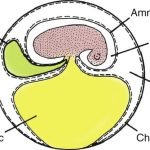
Which came first: The reptile or the egg?
The earliest reptiles, birds, and mammals may have borne live young, researchers from Nanjing University and the University of Bristol have revealed.

Scientists discover earliest bird bone flutes in Israel
A team of scientists made a remarkable discovery of prehistoric musical instruments, fashioned from bird bones.
Scientists discover lost world of early ancestors in billion-year-old rocks
The discovery of a “lost world” of ancient organisms that lived in Earth’s waterways at least 1.6 billion years ago could change our understanding of our earliest ancestors.
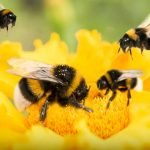
When it comes to bumblebees, does size matter
Certain crops, like greenhouse tomatoes, eggplant, peppers, and blueberries, rely on bumblebees for a style of pollination that only bumblebees can perform.

Plants possess a surprising sense of touch, according to a new study
Plants can sense when they are being touched and when the touch is released, despite not having nerves like animals.