

Scientists tattoo tiny tardigrades to pioneer new microtech for living creatures
Tardigrades—tiny, water-dwelling creatures also known as "water bears"—are some of the toughest animals on Earth.
They can survive freezing temperatures, extreme radiation, dehydration, and even...
How uneven molecular forces might explain the mystery of life
A new study from the Max Planck Institute for Dynamics and Self-Organization suggests that tiny, one-sided interactions between molecules might play a powerful role...
10 billion Milky Way stars might have habitable exoplanets after all
In a new study, scientists discover that white dwarf stars have greater potential to host habitable planets than previously realized.
The team concluded that many...
How the disappearance of great white sharks is changing the ocean forever
The sudden disappearance of great white sharks from South Africa’s False Bay is causing major changes in the ocean ecosystem, according to a new...
Bee power bars: New artificial pollen could help save honey bees
Scientists have created a new type of food that could help honey bee colonies survive even without access to natural pollen.
This breakthrough, developed by...

All roses were once yellow: New study tells the surprising story
Roses come in many colors—red, pink, white, and peach—but a new study shows that they all likely began as yellow.
Researchers from Beijing Forestry University...
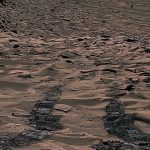
NASA’s Curiosity rover finds signs Mars could have supported life
NASA’s Curiosity rover has uncovered new evidence that ancient Mars may have been able to support life.
Researchers found large deposits of carbon in rocks...
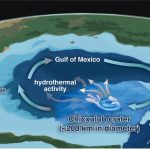
How the dinosaur-killing asteroid helped life bounce back
About 66 million years ago, a giant asteroid slammed into Earth and wiped out the dinosaurs, along with around 70% of all life in...
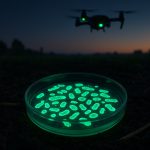
Glow-in-the-dark bacteria could help detect pollution from afar
MIT scientists have found a clever new way to make bacteria send out signals that can be seen from far away—up to 90 meters.
These...
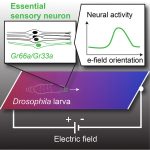
Fruit fly larvae can sense electric fields—and it might change science
Fruit flies are already famous in science. They've helped researchers make discoveries in genetics, aging, and brain function.
Now, scientists at UC Santa Barbara have...