High blood pressure is one of the most common health problems in the world.
It is sometimes called a “silent killer” because many people feel completely normal even while high pressure is slowly damaging their blood vessels, heart, brain and kidneys.
Blood pressure measures how strongly blood pushes against the walls of the arteries. When that pressure stays too high for a long time, the heart has to work harder and the risk of heart attack, stroke, kidney disease and other serious problems rises.
Medicines are important for many people with hypertension, but everyday habits can also make a meaningful difference. Research suggests that three areas are especially useful: eating a healthier diet, being physically active and finding effective ways to manage stress.
One of the best-studied eating patterns for high blood pressure is the DASH diet, short for Dietary Approaches to Stop Hypertension. It was developed through research supported by the U.S. National Institutes of Health and has been tested in major clinical studies.
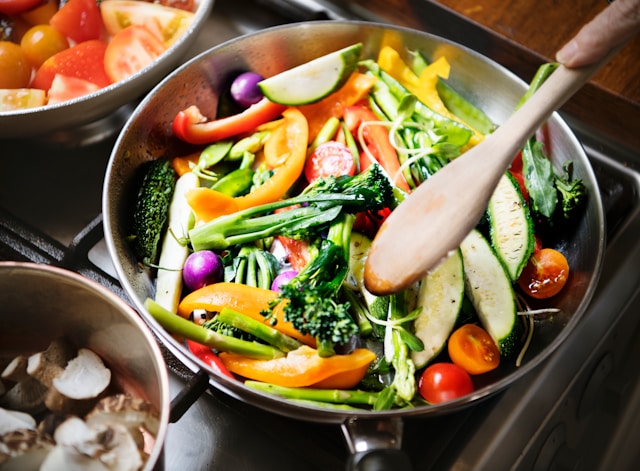
The DASH eating plan focuses on vegetables, fruits, whole grains, beans, nuts, fish, poultry and low-fat dairy foods. It limits foods that are high in saturated fat, added sugar and salt.
Research on the DASH diet was published in The New England Journal of Medicine and showed that this way of eating can significantly lower blood pressure. The effect can be particularly strong in people who already have hypertension.
One reason the diet may help is that it provides nutrients such as potassium, magnesium and calcium. Potassium is particularly important because it helps the body manage sodium and supports the normal function of blood vessels.
Reducing sodium is another important part of blood pressure control. Too much sodium can cause the body to hold extra fluid, which can increase the amount of pressure inside blood vessels.
Much of the sodium people eat does not come from the salt shaker. It is often hidden in packaged foods, restaurant meals, processed meats, sauces, snacks and ready-made meals.
Cooking more food at home can make sodium easier to control. Herbs, garlic, spices, lemon and other flavorings can also make food enjoyable without relying heavily on salt.
Regular movement is another powerful tool. Exercise makes the heart stronger and more efficient, which means it can pump blood around the body with less effort and reduce pressure on the arteries.
Adults are generally encouraged to get at least 150 minutes of moderate physical activity each week. Brisk walking, cycling, swimming and many other everyday activities can count, so exercise does not have to involve intense workouts.
Consistency matters more than doing something extreme. Someone who walks for about 30 minutes on most days, for example, may gain meaningful benefits for blood pressure as well as heart health, fitness, sleep and mood.
The third helpful habit is managing ongoing stress. Stress causes the body to release hormones that can temporarily make the heart beat faster and blood vessels tighten, causing blood pressure to rise for a short time.
The relationship between long-term stress and hypertension is complicated, but reducing stress may still support better cardiovascular health. Techniques such as slow breathing, meditation, yoga and mindfulness can help some people relax and may produce modest improvements in blood pressure.
Simple changes can matter too. Spending time with family or friends, enjoying hobbies, getting enough sleep and making time for relaxing activities can make stress easier to manage.
These habits work best as part of an overall treatment plan rather than as a replacement for medical care. Some people can improve their blood pressure substantially through lifestyle changes, while others will still need medication to keep it in a safe range.
Anyone with high blood pressure should continue prescribed medicines unless a healthcare professional advises otherwise. Regular blood pressure checks can show whether lifestyle changes and treatment are working and help doctors decide whether any adjustments are needed.
High blood pressure often develops over many years, so improving it does not require changing everything overnight. Small changes that can be maintained for months and years may provide some of the biggest benefits for protecting the heart, brain and kidneys.
If you care about high blood pressure, please read studies about unhealthy habits that may increase high blood pressure risk, and drinking green tea could help lower blood pressure.
For more information about high blood pressure, please see recent studies about what to eat or to avoid for high blood pressure, and 12 foods that lower blood pressure.
Copyright © 2026 Knowridge Science Report. All rights reserved.