High blood pressure affects more than one billion people worldwide and is one of the leading causes of heart attacks, strokes, kidney disease, and early death.
Many people do not realize they have high blood pressure because it usually causes no obvious symptoms.
Even for people who know they have the condition, keeping blood pressure under control can be difficult. Medicines may need adjusting, healthy lifestyle changes take time, and regular clinic visits are not always convenient.
A new study from the Perelman School of Medicine at the University of Pennsylvania suggests that a simple solution may help many patients.
The research, published in JAMA Network Open, found that giving patients blood pressure monitors to use at home and sending text message reminders helped many more people bring their blood pressure under control than standard care alone.
The study focused on adults whose high blood pressure remained uncontrolled despite receiving care from their primary care doctors.
Researchers wanted to know whether regular home monitoring combined with simple text messaging could encourage patients to check their blood pressure more often and stay connected with their healthcare team.
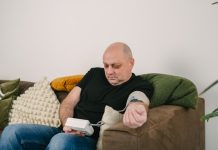
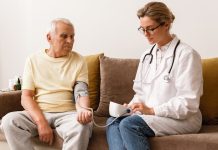
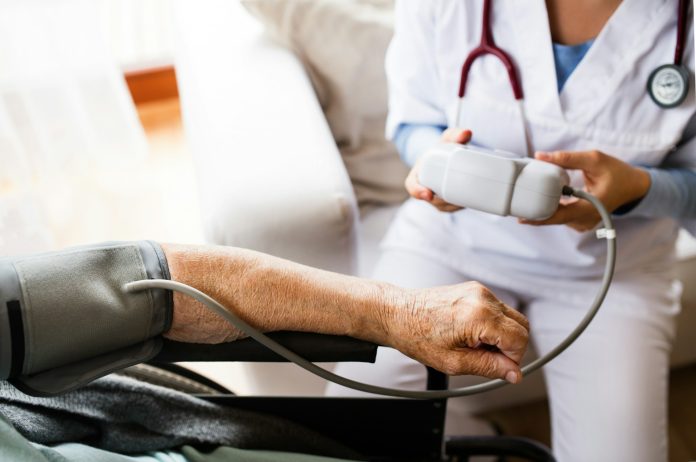
A total of 425 patients took part over six months. Some participants received a blood pressure monitor by mail, were able to text their readings directly to their clinic, and received reminder messages encouraging them to continue monitoring.
Others continued with standard care, which mainly relied on blood pressure measurements taken during routine medical appointments.
Researchers also tested two different ways of inviting patients into the home monitoring program. One group automatically received a monitor and could choose not to participate, while another group had to agree before the monitor was mailed.
Surprisingly, these different approaches produced very similar participation rates and similar numbers of blood pressure readings.
The most important finding came from comparing people who had home monitoring with those receiving standard care. About 35% of patients using home monitors and text reminders achieved good blood pressure control, compared with only 21% of patients receiving usual care.
Lead researcher Dr. Shivan Mehta explained that the extra support appeared to help patients remember their medicines, monitor their progress, and communicate with their healthcare team when treatment changes were needed.
Another important finding involved health equity. Most participants were Black adults, reflecting the local community.
Because Black Americans experience high blood pressure more often and at younger ages than many other groups, the researchers believe simple text-based programs could help reduce healthcare disparities by making support easier to access.
The researchers also noted that future programs may work even better if people are automatically enrolled through text messaging without requiring extra phone calls.
Overall, this study suggests that low-cost digital tools can make a meaningful difference in managing high blood pressure. Although the improvement was not seen in every patient, the increase from 21% to 35% is clinically important.
The study was relatively short, lasting only six months, so longer research is still needed to determine whether these benefits continue for many years and whether they reduce heart attacks and strokes.
Even so, the findings show that simple technology can strengthen communication between patients and healthcare providers and improve long-term care.
If you care about high blood pressure, please read studies that drinking tea could help lower blood pressure, and early time-restricted eating could help improve blood pressure.
For more health information, please see recent studies about added sugar in your diet linked to higher blood pressure, and results showing vitamin D could improve blood pressure in people with diabetes.
Source: University of Pennsylvania.