
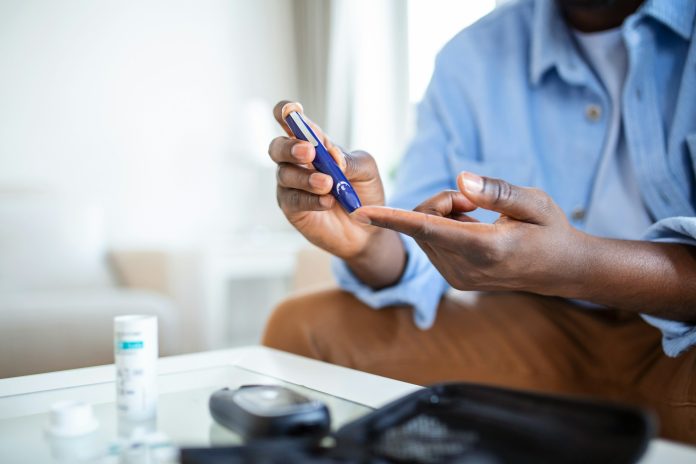
Diabetes affects hundreds of millions of people worldwide and is one of the leading causes of serious health problems.
High blood sugar over many years can harm blood vessels and organs, increasing the risk of heart disease, kidney failure, blindness, and nerve damage.
Because of these dangers, choosing the right diabetes treatment is very important.
In recent years, SGLT2 inhibitors have become popular because they lower blood sugar in a unique way.
They help the kidneys remove extra sugar through urine instead of relying mainly on insulin.
Many studies have found that these medicines can improve blood sugar control, support weight loss, and reduce the risk of heart and kidney disease in many patients.
However, researchers from the U.S. Food and Drug Administration have identified a rare safety concern. Their study, published in the Annals of Internal Medicine, focused on a severe infection known as Fournier gangrene.
This infection develops in the tissues around the genitals and anus. Although rare, it spreads rapidly and can destroy skin and deeper tissues within a short time. Emergency treatment is needed, often involving surgery, powerful antibiotics, and intensive hospital care.
The FDA team reviewed safety reports from 2013 to 2019 and found 55 confirmed cases in people taking SGLT2 inhibitors.
Both women and men were affected, and the infection appeared anywhere from a few days to several years after treatment began. Some patients also developed kidney problems, diabetic ketoacidosis, or other severe infections, making their illness even more serious.
When the scientists compared these cases with reports involving older diabetes medicines, they found that this dangerous infection was reported much less often with drugs such as metformin and insulin. Even so, the researchers stressed that Fournier gangrene remains extremely uncommon.
Health experts say patients should not panic or stop their medicine without talking to their doctor. For many people, the benefits of SGLT2 inhibitors still greatly outweigh the risks. The most important step is to recognize symptoms early. Pain, swelling, redness, fever, or tenderness around the genital or anal area should never be ignored.
The study highlights why drug safety monitoring continues even after medicines are approved. As more people use newer treatments, rare side effects sometimes become easier to detect.
Careful follow-up by doctors and patients helps ensure these medicines remain as safe as possible while continuing to provide important protection against diabetes complications.
If you care about diabetes, please read studies about a cure for type 2 diabetes, and these vegetables could protect against kidney damage in diabetes.
For more health information, please see recent studies about bone drug that could lower risk of type 2 diabetes, and results showing eating more eggs linked to higher risk of type 2 diabetes.
Copyright © 2026 Knowridge Science Report. All rights reserved.