
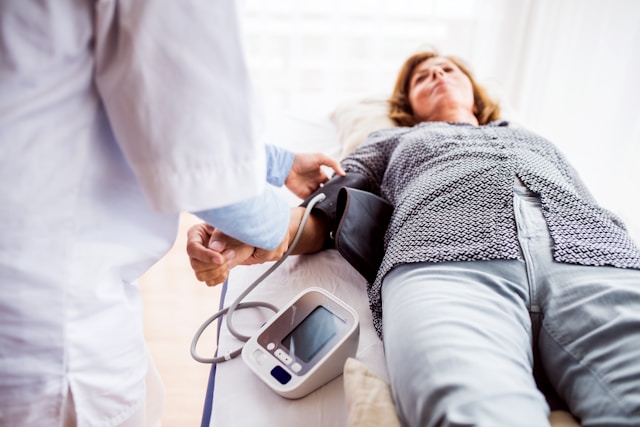
High blood pressure, also known as hypertension, is one of the most common health problems in the world. Many people live with it without even knowing, because it often has no clear symptoms.
Over time, however, it can quietly damage the body and lead to serious problems such as heart disease, stroke, and kidney failure.
Blood pressure is measured using two numbers. The top number is called systolic pressure. It shows how much force your blood puts on your artery walls when your heart beats. The bottom number is called diastolic pressure.
It shows the pressure when your heart is resting between beats. For many years, doctors have believed that both numbers are equally important and should be kept within a certain range.
However, new research is starting to change this idea. A large international study led by Professor Bill McEvoy from the University of Galway, formerly known as NUI Galway, has suggested that doctors may not need to worry as much about how low the bottom number goes during treatment.
The study looked at health data from more than 47,000 people around the world. Researchers wanted to understand whether lowering diastolic blood pressure too much could be harmful. In the past, some experts believed that if the diastolic number dropped too low, it might reduce blood flow to important organs and increase health risks.
But the results of this study, published in the medical journal Circulation, showed something different. The researchers did not find evidence that very low diastolic pressure caused harm. This challenges the long-held belief that there is a dangerous lower limit for the bottom number.
Instead, the study suggests that more attention should be given to systolic pressure, the top number. This number reflects the pressure when the heart is actively pumping blood, and it appears to have a stronger link to serious health risks.
Based on their findings, the researchers suggest that people with high blood pressure should aim for a systolic level between 100 and 130 millimeters of mercury, often written as mmHg.
Staying within this range may help reduce the risk of heart attacks, strokes, and other complications, even if the diastolic number becomes lower than what doctors previously considered safe.
This new understanding could lead to changes in how doctors treat high blood pressure in the future. Instead of trying to keep both numbers within strict limits, treatment may focus more on lowering the systolic number to a safe range. This could make treatment simpler and possibly more effective.
Even though medical treatment is important, preventing high blood pressure is still the best approach. There are many simple lifestyle choices that can help reduce your risk. Maintaining a healthy weight is one of the most important steps, as excess weight puts extra pressure on the heart and blood vessels.
A balanced diet also plays a key role. Eating plenty of fruits, vegetables, whole grains, lean proteins, and low-fat dairy products can help keep blood pressure under control. Reducing salt intake is especially important, because too much sodium can raise blood pressure. Health experts usually recommend keeping daily salt intake below 2,300 milligrams.
Regular physical activity can also make a big difference. Simple activities like walking, cycling, or swimming can help lower blood pressure and improve overall health. Limiting alcohol is another helpful step. Drinking too much alcohol can raise blood pressure, so moderation is important.
Smoking is another major risk factor. It damages blood vessels and increases blood pressure, so quitting smoking can greatly improve heart and overall health. Managing stress is also important.
Long-term stress can affect hormone levels and may contribute to high blood pressure. Relaxation methods such as deep breathing, meditation, and gentle exercise can help reduce stress.
Because high blood pressure often develops without clear warning signs, regular check-ups are very important. A simple blood pressure test can help detect problems early, allowing for timely treatment and better outcomes.
This study provides new insight into how blood pressure should be managed. It encourages doctors and researchers to rethink current guidelines and focus more on what truly matters for long-term health. While more research is still needed, these findings offer hope for simpler and more effective ways to treat hypertension.
Taking care of your blood pressure is one of the best ways to protect your heart, brain, and kidneys. With the right knowledge, healthy habits, and proper medical care, it is possible to reduce risks and live a long and healthy life.
If you care about high blood pressure, please read studies that early time-restricted eating could help improve blood pressure, and natural coconut sugar could help reduce blood pressure and artery stiffness.
For more information about blood pressure, please see recent studies about How to eat your way to healthy blood pressure and results showing that Modified traditional Chinese cuisine can lower blood pressure.
Copyright © 2026 Knowridge Science Report. All rights reserved.