
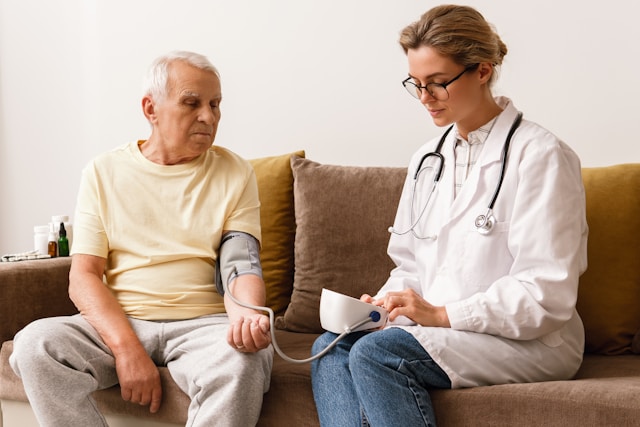
High blood pressure is one of the most common long-term health problems in Australia. More than one in three Australian adults have hypertension, a condition in which blood pushes against artery walls with too much force over time.
Without treatment, it can raise the risk of heart attack, stroke, kidney disease and other serious health problems.
Many people control their blood pressure with daily medicine. One widely used drug is hydrochlorothiazide, a type of medicine that helps the kidneys remove extra salt and water from the body. This reduces the amount of fluid in the bloodstream and can help lower blood pressure.
However, research from UNSW Sydney has found a possible link between hydrochlorothiazide and certain skin cancers in older adults. The concern is important in Australia, where strong ultraviolet radiation from the sun already contributes to very high rates of skin cancer. Hydrochlorothiazide can also make the skin more sensitive to sunlight, which may make sun damage more likely.
The researchers examined health information from the Australian Department of Veterans’ Affairs. The records covered healthcare cardholders aged 65 and older living in New South Wales and included information about medicines, hospital care and cancer diagnoses. The study looked at data collected between 2004 and 2015.
The team studied people diagnosed with two forms of skin cancer and compared their use of hydrochlorothiazide with people who had not been diagnosed with these cancers. The analysis included 45 people with squamous cell cancer of the lip and 659 people with malignant melanoma, along with about 13,300 people used for comparison.
Melanoma is a serious skin cancer that begins in pigment-producing cells, while squamous cell cancer can develop in sun-damaged areas such as the lips.
The results showed an association between hydrochlorothiazide use and a higher risk of both melanoma and squamous cell lip cancer. For lip cancer, the researchers also found evidence that risk increased with greater exposure to the medicine. In other words, people who had used more of the drug over time appeared to have a higher risk.
The finding does not mean that everyone taking hydrochlorothiazide will develop skin cancer, and the study cannot prove that the medicine directly caused the cancers.
Other factors can affect a person’s skin cancer risk, including age, skin type, family history and years of sun exposure. Even so, the results add to earlier international research reporting similar concerns about long-term hydrochlorothiazide use.
Importantly, people taking the medicine should not suddenly stop it because of this research. Poorly controlled high blood pressure can be dangerous, and changing treatment without medical advice may increase the risk of serious heart and blood vessel problems. Anyone worried about the findings should discuss the benefits and possible risks of their treatment with a doctor.
The researchers said healthcare professionals should be aware of the possible skin cancer risk and encourage patients to protect themselves from excessive sun exposure.
Regular skin checks may also be useful, especially for older people who have taken hydrochlorothiazide for a long time. Sun protection can include sunscreen, protective clothing, hats and limiting exposure when ultraviolet radiation is strongest.
Information provided to healthcare professionals about hydrochlorothiazide has been updated to include warnings about the possible skin cancer risk. The aim is not to discourage necessary blood pressure treatment, but to help doctors and patients make informed decisions and take sensible precautions.
The research was led by Dr. Benjamin Daniels and colleagues at UNSW Sydney and was published in the peer-reviewed journal Basic & Clinical Pharmacology & Toxicology. The findings highlight why even well-established medicines continue to be studied after they enter widespread use, particularly when people may take them for many years.
If you care about high blood pressure, please read studies about what to eat and to avoid for high blood pressure, and 12 foods that lower blood pressure.
For more health information, please see recent studies about the connection between potato and high blood pressure, and how to eat your way to healthy blood pressure.
Copyright © 2026 Knowridge Science Report. All rights reserved.