
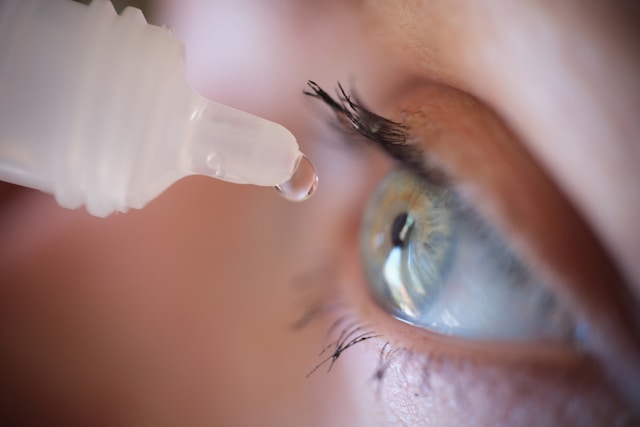
Many people have experienced dry eyes at some point in their lives. It often happens after spending too much time looking at a computer or phone screen, sitting in an air-conditioned room, or being outside on a windy day.
Usually, people think dry eyes are only a small annoyance that can be solved with rest or eye drops. However, new research suggests that persistent dry eyes may sometimes be a sign of a much bigger health problem.
Scientists are learning that dry eye disease can be linked to autoimmune diseases. Autoimmune diseases happen when the body’s immune system becomes confused and attacks healthy tissues instead of protecting the body from germs and infections.
These diseases can affect many different organs and may cause symptoms that develop slowly over many years.
One autoimmune disease that has long been connected with dry eyes is Sjögren’s Disease. In this condition, the immune system attacks the glands that make tears and saliva. As a result, people often develop very dry eyes and a dry mouth.
Over time, the disease can also affect other parts of the body, including the joints, lungs, nerves, and other organs. Because symptoms often appear gradually, many people do not receive a diagnosis until years after the disease has started.
A large new study from Taiwan suggests that dry eye disease may actually appear several years before doctors diagnose an autoimmune disorder. The researchers examined medical records from Taiwan’s National Health Insurance database. Their study included 67,264 people who were eventually diagnosed with autoimmune diseases between 2008 and 2021.
The findings, which were published in the journal JAMA Network Open, showed that dry eye disease appeared about three years before the diagnosis of an autoimmune disease on average. This means that eye symptoms may provide an early clue that something is happening elsewhere in the body.
The connection was especially strong for Sjögren’s Disease. More than 80 percent of people who later developed this condition had experienced dry eye problems before their diagnosis. The researchers also found links with several other autoimmune diseases.
Nearly 40 percent of people who developed rheumatoid arthritis had dry eye symptoms beforehand. About one quarter of those who later developed Crohn’s disease also experienced dry eyes before their diagnosis.
These findings are important because tears do much more than simply keep the eyes comfortable. Every time we blink, a thin layer of tears spreads across the surface of the eye.
This tear layer keeps vision clear, nourishes the eye’s surface, and helps protect against infections. When the body does not make enough tears or when the tear film becomes unstable, the eyes can become dry and irritated.
Dry eye disease can cause many uncomfortable symptoms. People may feel burning, itching, redness, blurred vision, or the sensation that sand or a foreign object is trapped in their eyes.
Some people also become sensitive to light or notice their eyes becoming tired very easily. Dry eye disease is extremely common and affects millions of people around the world, particularly adults over the age of 40.
The study also found that the frequency of dry eye disease differed depending on the autoimmune condition. It was very common in Sjögren’s Disease but less common in conditions such as lupus and systemic sclerosis.
Women were also more likely than men to develop dry eyes in all of the diseases studied. This finding matches what doctors already know about autoimmune diseases, many of which affect women more often than men.
Researchers also discovered that people with dry eye disease tended to be diagnosed with their autoimmune conditions at an older age than people without dry eyes.
In addition, dry eyes linked to autoimmune diseases can sometimes be more severe than ordinary dry eyes. If left untreated, the condition may cause serious complications, including inflammation of the cornea and, in rare cases, ulcers that can threaten vision.
The study has several strengths. It included a very large number of patients and followed medical records over many years, making the findings more reliable.
However, because the research was based on records from one country, scientists cannot be certain that the results are exactly the same in all populations. More studies in other regions will help confirm the findings.
Importantly, the study does not show that dry eyes cause autoimmune diseases. Instead, it shows that dry eye disease often appears earlier and may serve as a warning sign. The findings remind both doctors and patients that symptoms that seem small or harmless can sometimes point to more serious health problems.
Overall, the research suggests that people with persistent dry eyes, especially if they also experience symptoms such as fatigue, joint pain, or dry mouth, may benefit from medical evaluation.
Early detection of autoimmune diseases can lead to earlier treatment, better symptom control, and improved quality of life. What seems like a simple problem with the eyes may sometimes be the body’s way of asking for attention and revealing a deeper health issue.
If you care about eye health, please read studies about how vitamin B may help fight vision loss, and MIND diet may reduce risk of vision loss disease.
For more information about eye disease, please see recent studies about how to protect your eyes from glaucoma, and results showing this eye surgery may reduce dementia risk.
Copyright © 2026 Knowridge Science Report. All rights reserved.