
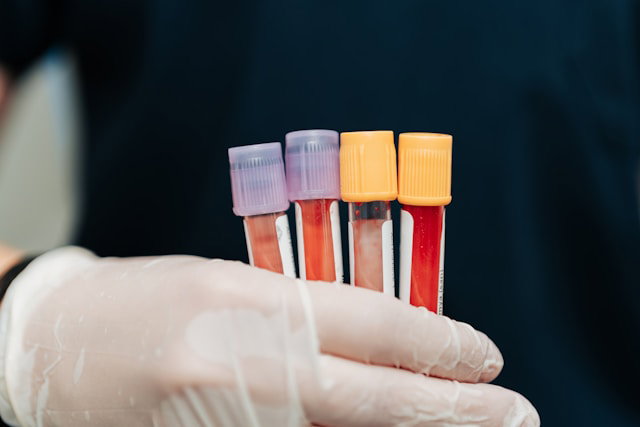
High cholesterol is one of the leading causes of heart attacks and strokes around the world. Millions of people take daily medications to control their cholesterol levels and reduce their risk of cardiovascular disease.
While these medicines are highly effective, many patients find it difficult to stay on treatment for years or even decades. Some forget to take their tablets regularly, while others stop because of side effects or the inconvenience of ongoing treatment.
Scientists have therefore been searching for a simpler and longer-lasting solution. Now, researchers in London have reported promising results from a groundbreaking gene-editing therapy that may dramatically reduce cholesterol levels after a single treatment.
The research involved scientists and clinicians from University College London (UCL), University College London Hospitals NHS Foundation Trust, and Barts Health NHS Trust. The findings were published in the New England Journal of Medicine and suggest that a one-time infusion could potentially provide long-lasting protection against heart disease.
Heart attacks and strokes remain among the leading causes of death in the United Kingdom and many other countries. A major contributor to these conditions is high levels of low-density lipoprotein cholesterol, often called LDL cholesterol or “bad” cholesterol.
When LDL cholesterol remains elevated over many years, fatty deposits can build up inside arteries, narrowing blood vessels and increasing the risk of life-threatening cardiovascular events.
Current treatments such as statins and injectable cholesterol-lowering drugs can significantly reduce these risks. However, maintaining long-term treatment can be challenging. Research suggests that many patients stop taking their cholesterol medication within a year of starting treatment.
The new therapy, called VERVE-102, takes a very different approach. Rather than requiring ongoing medication, it uses gene-editing technology to permanently reduce the body’s production of a protein called PCSK9.
PCSK9 plays an important role in controlling how much LDL cholesterol remains in the bloodstream. Normally, this protein reduces the liver’s ability to remove LDL cholesterol from circulation. People who naturally inherit inactive versions of the PCSK9 gene tend to have very low cholesterol levels throughout life and a much lower risk of heart disease.
The goal of VERVE-102 is to recreate this natural protection. The treatment uses gene-editing technology to switch off the gene responsible for producing PCSK9. As a result, the liver can remove more LDL cholesterol from the blood, potentially providing lasting benefits after a single infusion.
The Phase 1b clinical trial focused primarily on safety. Researchers enrolled 35 adults who either had heterozygous familial hypercholesterolemia, an inherited condition that causes very high cholesterol levels, or premature coronary artery disease, meaning heart disease developed at a younger age than expected.
Participants received different doses of the treatment and were monitored closely for side effects and cholesterol changes. The results were encouraging. At the highest dose tested, LDL cholesterol levels fell by as much as 62 percent.
Perhaps even more impressive was the durability of the response. Some participants were followed for up to 18 months, and the cholesterol-lowering effects appeared to persist throughout that period.
Safety was another encouraging aspect of the study. Researchers reported no serious side effects related to the highest dose. Some participants experienced mild infusion-related reactions and temporary changes in liver test results, but these effects were generally manageable.
Professor Riyaz Patel, a clinical academic at UCL and consultant cardiologist at Barts Health and UCLH, described the findings as an important milestone. According to Patel, the results suggest that the technology is both effective and safe while achieving cholesterol reductions similar to existing medications.
The possibility of a “one and done” treatment could transform the way high cholesterol is managed. Instead of taking medication daily for decades, patients might eventually receive a single infusion that provides long-term protection against cardiovascular disease.
Looking critically at the findings, the results are highly promising but still preliminary. The study involved only 35 participants and was designed primarily to assess safety rather than long-term effectiveness.
Larger clinical trials will be needed to confirm whether the treatment continues working over many years and whether it reduces actual rates of heart attacks and strokes.
Nevertheless, the study demonstrates that gene editing can successfully target a major cardiovascular risk factor in humans. If future trials confirm these benefits, VERVE-102 could represent one of the most significant advances in cholesterol management in decades.
If you care about heart health, please read studies about top 10 foods for a healthy heart, and how to eat right for heart rhythm disorders.
For more health information, please see recent studies about how to eat your way to cleaner arteries, and salt and heart health: does less really mean more?
Source: University College London.


