
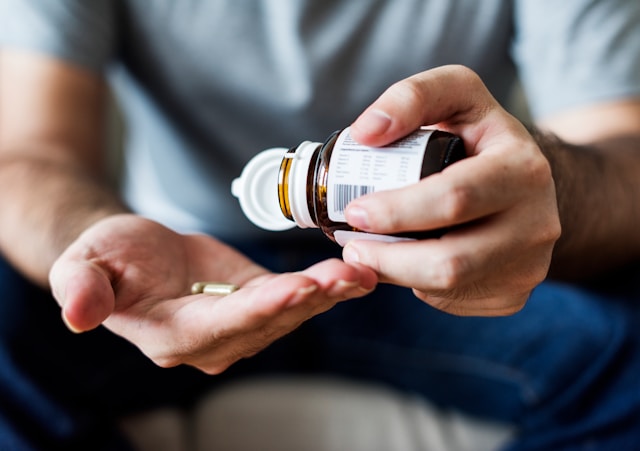
High blood pressure is one of the most common health problems affecting men around the world.
Often called the “silent killer,” it can damage the heart, brain, kidneys, and blood vessels for years without causing noticeable symptoms.
Because of this, many men need medication to keep their blood pressure under control and lower their risk of serious complications such as heart attacks and strokes.
While blood pressure medicines can be highly effective and often save lives, they can sometimes cause side effects that affect a person’s quality of life.
Understanding these potential side effects can help men work with their doctors to find the most suitable treatment plan.
Blood pressure medications lower blood pressure in several different ways.
Some relax and widen blood vessels so blood can flow more easily. Others slow the heart rate, reducing the force of blood moving through the arteries.
Certain medications help the body remove excess salt and water, reducing the amount of fluid circulating in the bloodstream.
Although these actions are helpful for controlling blood pressure, they can occasionally lead to unwanted effects. One of the side effects that concerns many men is erectile dysfunction, often called ED.
Erectile dysfunction occurs when a man has difficulty getting or maintaining an erection. Some blood pressure medications, particularly beta-blockers and diuretics, sometimes called water pills, have been associated with a higher risk of ED.
These medications may affect blood flow or interfere with nerve signals that play an important role in sexual function.
However, the situation is more complicated than it first appears. High blood pressure itself is a major cause of erectile dysfunction.
Over time, elevated blood pressure can damage the lining of blood vessels, reducing blood flow throughout the body, including to the penis. In fact, untreated high blood pressure may contribute more to erectile dysfunction than the medications used to treat it.
This is why controlling blood pressure remains important. Fortunately, not all blood pressure medicines have the same effect on sexual function. Some medications appear to have little impact on erections, and certain drugs may even improve blood vessel function.
If erectile dysfunction becomes a concern, doctors can often adjust the treatment plan to find a better balance between blood pressure control and quality of life.
Fatigue is another side effect that some men experience, especially when taking beta-blockers. Because these medications slow the heart rate, some people may feel less energetic than usual. Men who enjoy sports, exercise regularly, or work physically demanding jobs may notice this effect more than others.
In many cases, fatigue improves as the body adjusts to the medication. If tiredness persists, a healthcare provider may recommend changing the dose or switching to a different type of medication.
Some men also report a decrease in sexual desire while taking blood pressure medication. This is different from erectile dysfunction.
Sexual desire involves emotional, hormonal, and psychological factors, making it difficult to identify a single cause. The stress of living with a chronic health condition, concerns about health, medication effects, or a combination of these factors may contribute to reduced interest in sex.
Swelling in the lower legs, ankles, or feet is another possible side effect. This condition, known as edema, is most commonly associated with calcium channel blockers. These medications help relax blood vessels, but they can sometimes allow fluid to collect in tissues, particularly around the lower legs.
While the swelling is usually not dangerous, it can be uncomfortable and may interfere with daily activities. Doctors can often reduce this problem by adjusting the medication or combining it with another treatment.
Certain blood pressure medicines can also affect the body’s balance of important minerals, including potassium and sodium. These minerals help regulate muscle function, nerve activity, and fluid balance. When levels become too high or too low, symptoms such as muscle cramps, weakness, fatigue, irregular heartbeats, or dizziness may occur.
Regular blood tests are often recommended for people taking certain blood pressure medications. These tests help doctors detect any changes early and make adjustments before serious problems develop.
Despite these potential side effects, the benefits of treating high blood pressure are substantial. Uncontrolled high blood pressure significantly increases the risk of heart attack, stroke, heart failure, kidney disease, and vision problems. Proper treatment can dramatically reduce these risks and improve long-term health.
The most important step for patients is maintaining open communication with their healthcare providers. Many people hesitate to discuss side effects, especially those related to sexual health.
However, doctors are familiar with these concerns and often have several treatment options available. Sometimes a simple dose adjustment or medication change can make a significant difference.
Lifestyle changes can also play a powerful role in blood pressure management. A healthy diet rich in fruits, vegetables, whole grains, and lean proteins can support cardiovascular health.
Regular physical activity helps strengthen the heart and improve circulation. Maintaining a healthy weight, reducing stress, limiting alcohol consumption, avoiding smoking, and getting enough sleep can further improve blood pressure control.
For some people, these lifestyle improvements may reduce the amount of medication needed, although medication should never be stopped without medical guidance.
Managing high blood pressure is not just about lowering numbers on a blood pressure monitor. It is about protecting overall health while maintaining a good quality of life.
With the right combination of medication, healthy habits, and ongoing communication with healthcare providers, men can successfully control their blood pressure, reduce their risk of serious disease, and continue enjoying an active and fulfilling life.
If you care about high blood pressure, please read studies that early time-restricted eating could help improve blood pressure, and natural coconut sugar could help reduce blood pressure and artery stiffness.
For more information about blood pressure, please see recent studies about How to eat your way to healthy blood pressure and results showing that Modified traditional Chinese cuisine can lower blood pressure.