
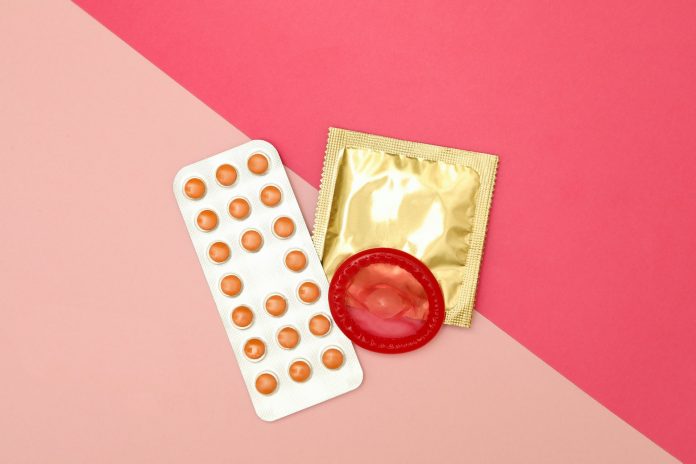
A groundbreaking study from the University of Copenhagen reveals a concerning link between adolescent use of the contraceptive pill and increased risk of depression in adulthood, particularly for women with a genetic predisposition to mental health conditions.
While the contraceptive pill revolutionized women’s health and empowerment in the 20th century, granting autonomy over fertility and enabling access to education and careers, new evidence suggests a hidden downside.
The latest research published in the Journal of Labor Economics indicates that accessing birth control pills during teenage years can impair long-term mental health outcomes.
Led by Assistant Professor Franziska Valder at the Department of Economics and CEBI, the study draws on extensive data combining legislative context, genetic profiles, and life outcomes of thousands of American women.
The results show that women with a high genetic risk of depression are more likely to suffer negative mental health consequences if they had access to the contraceptive pill as teenagers.
“Not all women are affected. But for those with a genetic vulnerability, we see that the contraceptive pill can act as a trigger for mental illness,” said Valder.
The findings further highlight that these mental health challenges can undercut the educational and professional benefits typically associated with contraceptive access.
Among genetically at-risk women, those who used the pill during adolescence tended to attain lower educational levels, had diminished labor market productivity, and reported increased sick leave and functional difficulties.
Valder stresses that this research should not be viewed as an attack on hormonal contraception. Instead, it calls for a more nuanced conversation about its benefits and potential mental health risks—especially for vulnerable populations.
“It’s not about taking the contraceptive pill away from anyone. It’s about understanding that there can be side effects—and that we should take them into account, especially in high-risk individuals,” she said. “We need more research into non-hormonal alternatives and better screening for mental vulnerability.”
The study arrives amid ongoing debates in the United States around reproductive rights, including growing restrictions on abortion. This new evidence adds urgency to the call for informed contraceptive policy that balances reproductive freedom with mental health awareness.
If you care about depression, please read studies about how dairy foods may influence depression risk, and B vitamins could help prevent depression and anxiety.
For more information about mental health, please see recent studies that ultra-processed foods may make you feel depressed, and extra-virgin olive oil could reduce depression symptoms.
Copyright © 2025 Knowridge Science Report. All rights reserved.


