
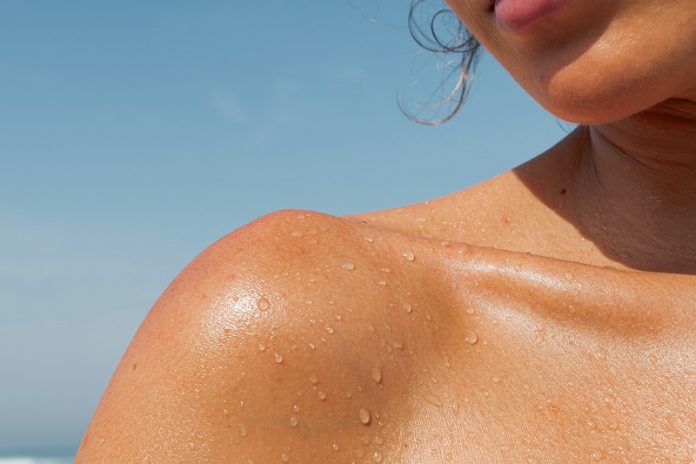
Sweat contains a wealth of biological information that, with the help of artificial intelligence and next-generation sensors, could transform how we monitor our health and well-being, according to a new study published in the Journal of Pharmaceutical Analysis.
Collecting sweat is painless, simple, and noninvasive, making it an attractive alternative to blood or urine. Dr. Dayanne Bordin from the University of Technology Sydney (UTS) highlights its potential, particularly for those who already track their health with wearables.
Sweat monitoring devices like the Gatorade sweat patch are already available, analyzing sweat rate and sodium loss for personalized hydration advice.
Recent innovations in microfluidics, stretchable electronics, and wireless communication have led to thin, flexible sweat sensors. These wearable patches adhere to the skin, enabling real-time sampling of sweat.
With AI integration, these devices can detect specific biomarkers and provide personalized health insights. Applications could range from tracking athlete electrolyte loss to monitoring glucose levels in diabetics—without drawing blood.
Sweat is an under-used diagnostic fluid, but it holds enormous promise for preventive care. Dr. Janice McCauley, also from UTS, notes the benefits of measuring multiple biomarkers and transmitting data wirelessly. AI advances in 2023 have enabled improved pattern recognition in sweat data, paving the way for more precise diagnostics.
UTS researchers are developing ultra-sensitive microfluidic devices to detect trace amounts of biomarkers like glucose and cortisol. Although many of these devices are still in the prototype phase, commercial interest is increasing.
Dr. Bordin envisions a near future where wearables can monitor stress hormone levels and help detect chronic health conditions early.
If you care about heart health, please read studies about top 10 foods for a healthy heart, and how to eat right for heart rhythm disorders.
For more health information, please see recent studies about how to eat your way to cleaner arteries, and salt and heart health: does less really mean more?
Copyright © 2025 Knowridge Science Report. All rights reserved.


